
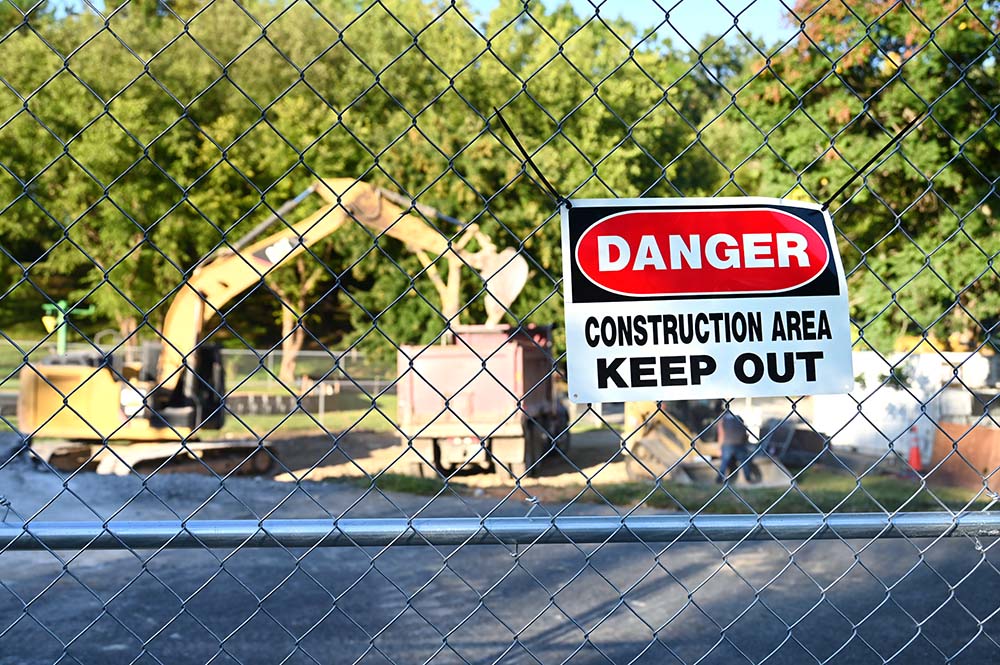
Construction equipment theft is a costly and persistent problem across the United States, affecting contractors, farmers, rental companies, and municipalities alike. From compact skid steers to full-size excavators, thieves target machines that can be quickly moved, resold, or stripped for parts. According to industry estimates, billions of dollars in heavy equipment are stolen each year, and a significant percentage is never recovered.
Beyond the direct financial loss, stolen machinery can halt projects, delay schedules, idle crews, damage client relationships, and increase insurance premiums. In many cases, the ripple effects cost far more than the machine itself. The most effective strategy is prevention. Thieves typically look for easy targets, meaning a well-secured jobsite can dramatically reduce your risk.
This guide outlines nine proven ways to prevent construction equipment theft, combining modern technology with practical, low-cost strategies that work in the real world.

1. Install GPS Tracking Devices
GPS tracking is one of the most powerful tools available for preventing and recovering stolen equipment. Modern tracking systems provide real-time location monitoring, movement alerts, and geofencing capabilities that notify you immediately if a machine leaves a designated area.
Some advanced systems can also detect unauthorized operation, track engine hours, or even allow remote immobilization. Visible tracking stickers alone can act as a deterrent, signaling to thieves that the machine will be difficult to move without being detected.
For fleet managers, GPS tracking also improves asset utilization and maintenance planning, making it both a security tool and an operational upgrade.

2. Keep Detailed Equipment Records
Maintaining accurate documentation is critical for both prevention and recovery. Every piece of machinery should have a complete record including:
- • Equipment make, model, and year
- • Serial numbers or PIN/VIN
- • Purchase documentation
- • Photographs from multiple angles
- • Unique markings or modifications
- • Assigned operators
- • Storage locations
If theft occurs, having this information readily available allows law enforcement and insurers to act quickly.Without it, proving ownership can be difficult and recovery chances drop significantly. Digital asset management systems or fleet software can help centralize this information and keep it accessible from anywhere.
Order Heavy Equipment Parts Online 24/7
Visit the ConEquip Online Store
Search by part number or machine model for fast results.

3. Register Equipment with National Databases
Heavy equipment typically does not have standardized titles like vehicles, which makes ownership verification challenging. Registering machinery with databases such as the National Equipment Register (NER) adds a formal record that law enforcement can reference.
Registration also helps identify stolen equipment when it resurfaces at auctions, resale lots, or international shipping points. This step is inexpensive but can substantially increase recovery odds.

4. Disable Equipment When Not in Use
Making machinery difficult to start or operate is one of the simplest and most effective deterrents. Thieves want equipment they can move quickly, and anything that slows them down increases the chance they will abandon the attempt.
Common disabling methods include removing fuses or relays, installing battery disconnect switches, using fuel shut-off valves, or adding hidden kill switches. Some companies remove starter components or electronic modules overnight. Even basic ignition locks or keypad systems can make a machine far less attractive to thieves.
Can’t Find Your Part Online?
Request a Quote from Our Experts
We have access to over 10 million parts not listed in our store.
5. Position Equipment Strategically
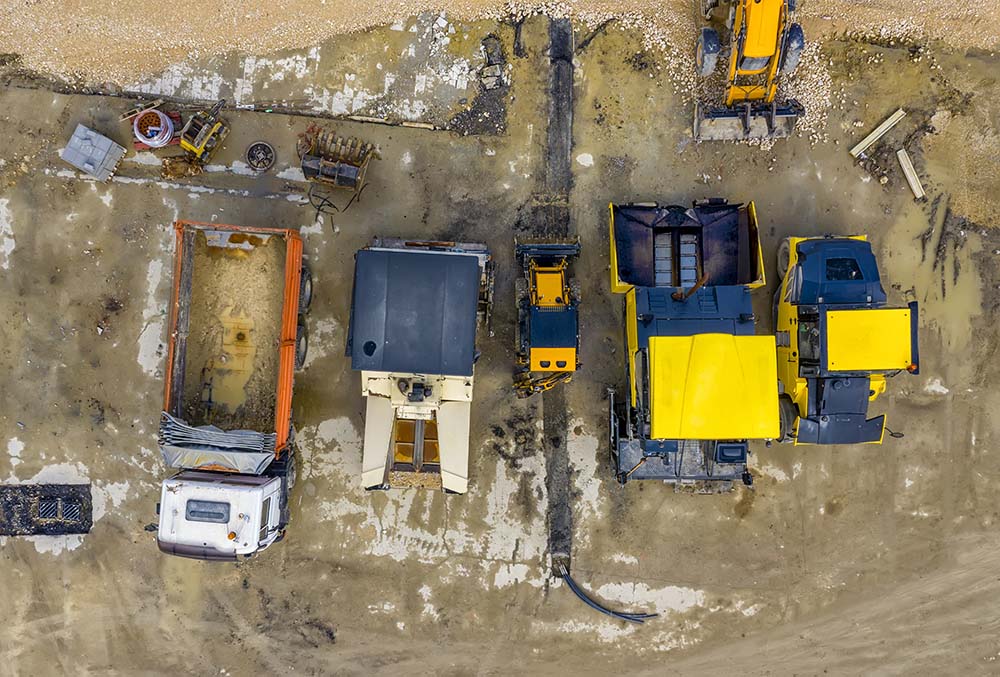
How you arrange equipment on site can either invite or discourage theft. Smaller machines such as skid steers, mini excavators, generators, and attachments are especially vulnerable because they can be loaded onto trailers quickly.A common strategy is to park large machines around smaller ones, creating a physical barrier that prevents easy removal. Buckets or blades can be lowered to the ground to restrict movement, and equipment can be parked tightly together to reduce maneuvering space. Keeping machines away from road access and out of public view further reduces opportunity.
6. Secure the Jobsite Perimeter
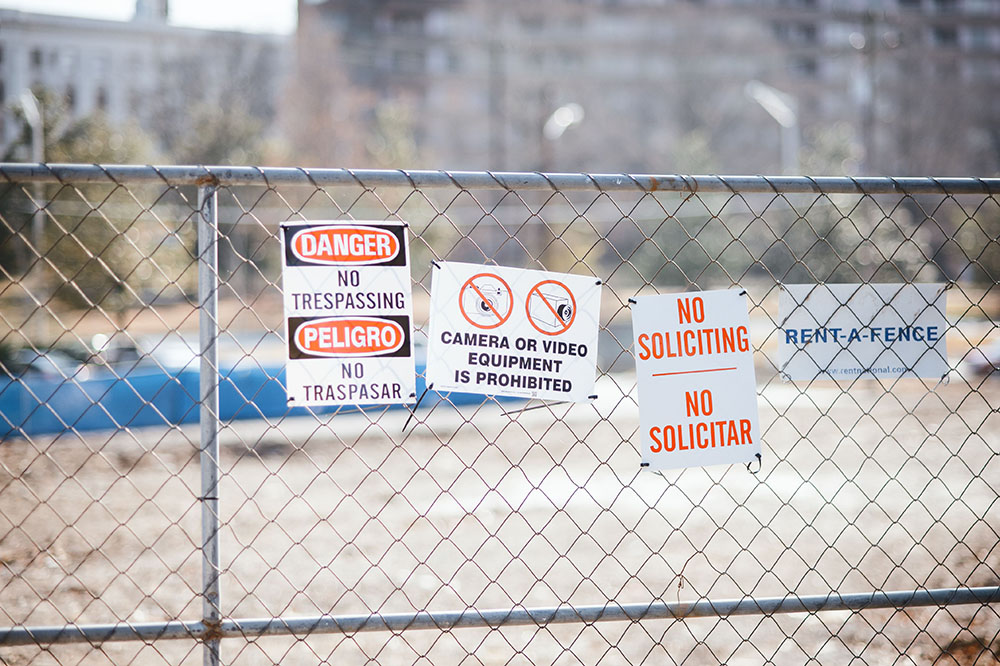
Physical barriers remain a critical first line of defense. Fencing, locked gates, and controlled entry points make it much harder for unauthorized individuals to access equipment. For long-term projects, permanent fencing or reinforced barriers may be appropriate. Temporary sites can use portable fencing panels with anti-climb features. Locking gates with high-security padlocks prevents vehicles from entering after hours. Limiting entry to a single controlled access point also makes monitoring easier and reduces blind spots.
Prefer to Speak with a Parts Specialist?
Call 1-716-836-5069
Our team is standing by to help with complex orders and fitment questions.
7. Improve Lighting and Surveillance
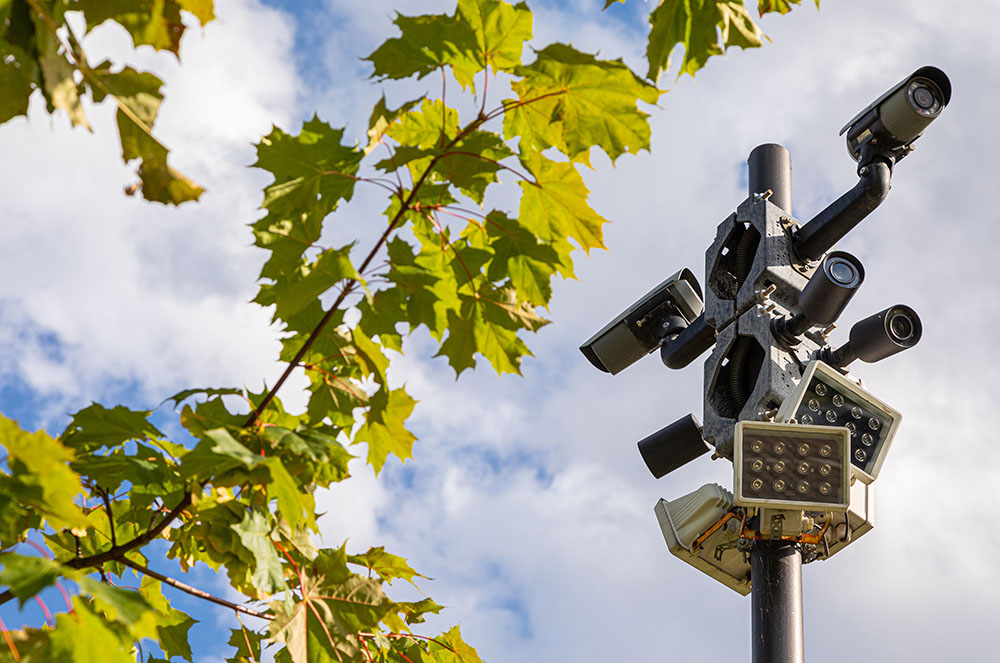
Dark job sites provide cover for criminal activity. Adequate lighting removes hiding places and increases visibility from nearby roads or properties. Motion-activated lights, solar light towers, and portable jobsite lighting systems are effective options, especially for remote locations without power. Security cameras — particularly those with remote monitoring and cloud storage — provide both deterrence and evidence. Even the appearance of surveillance can cause thieves to choose another target.
8. Control Access to Equipment and Site
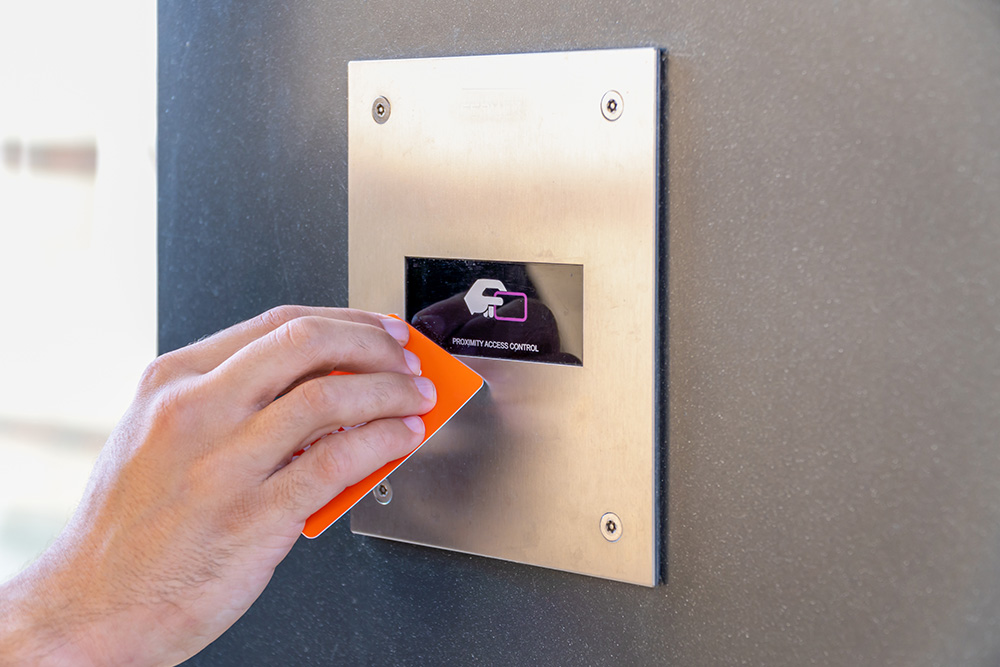
Not all theft is committed by strangers. Unauthorized use by subcontractors, former employees, or individuals familiar with the site can pose significant risks. Implementing access control procedures helps ensure only approved personnel can enter the site or operate machinery. This may include key management systems, operator authorization protocols, ID badges, or digital entry logs. Training employees to recognize suspicious activity and report concerns adds another layer of protection.
Order Heavy Equipment Parts Anytime
Browse the ConEquip Online Store
Find parts fast, start with make, model or part number.

9. Coordinate with Local Law Enforcement
Building relationships with local police or sheriff departments can enhance security, especially for large or long-term projects. Informing authorities about your site location, operating hours, and valuable equipment may result in increased patrols. This is particularly important during weekends, holidays, or shutdown periods when sites are unattended. Quick reporting channels also improve response times if suspicious activity occurs.

No Call Needed—Just Click and Buy
Order Heavy Equipment Parts Online
Simple checkout, live inventory, and 24/7 access to parts.
Why Layered Security Works Best
No single solution can completely eliminate theft risk. The most effective approach combines multiple strategies that address different vulnerabilities. A site that uses tracking technology, physical barriers, surveillance, and administrative controls presents a far more difficult target. Criminals typically choose the path of least resistance. When faced with well-secured equipment, they often move on to easier opportunities.
Heavy machinery is the backbone of construction and agricultural operations. Losing a machine can disrupt timelines, reduce productivity, strain budgets, and damage customer relationships. Preventative measures are far less expensive than replacement costs and downtime.
By implementing these nine strategies, businesses can significantly reduce the likelihood of theft while improving overall site security and operational control.


