
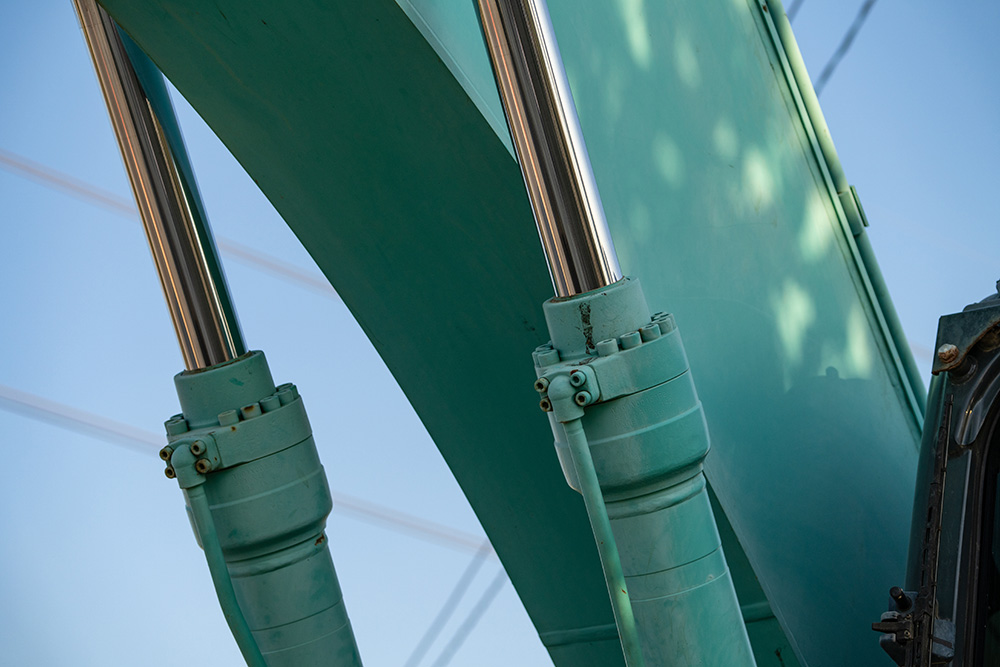
Picture this: you’re on the phone, standing next to an out-of-commission excavator as one of the cylinders leaks fluid. The parts specialist on the other side of the line asks which cylinder it is, and for a moment your mind goes a little blank. It’s the one across the top, but you can’t remember what exactly it’s called. Which one is it? Don’t worry, this guide is here to help.
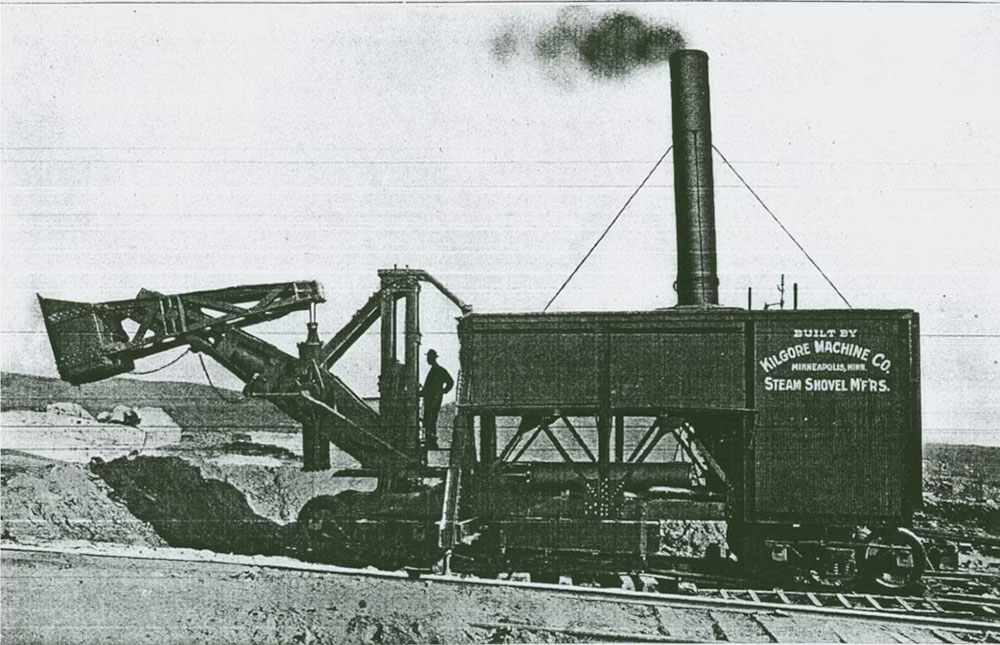
The History of Hydraulic cylinders
While the predecessors of excavators trace back to the industrial revolution of the 1700s, it wasn’t until more than a century later that hydraulic machines burst onto the scene.
Until the 1830s, steam powered shovels made quick work of earth moving projects, though without the standard boom arm that we see on modern machines. That innovation came in 1830 and set the standard design for excavators. However, the hydraulic components on an excavator’s mechanical arm weren’t patented until the late 1800s by the Kilgore Machine Co. Until then, excavators relied on steam power or cables and chains to lift their buckets.
With the addition of hydraulics to the boom arms of excavators, more earth could be moved and the scale of projects expanded. During World War II, excavators were employed in everything from digging trenches to rebuilding infrastructure destroyed by the war. In the following decades machines continued to evolve with the booming demands, including increased mobility and reach from improved hydraulic components.
Generally speaking, whatever the cylinder is attached to or what it moves is what it’s called, but some folks may refer to it by a different name.
Order Hydraulic Parts Online 24/7
Visit the ConEquip Online Store
Everything from pumps to cylinders. Search by part number or machine model for fast results.
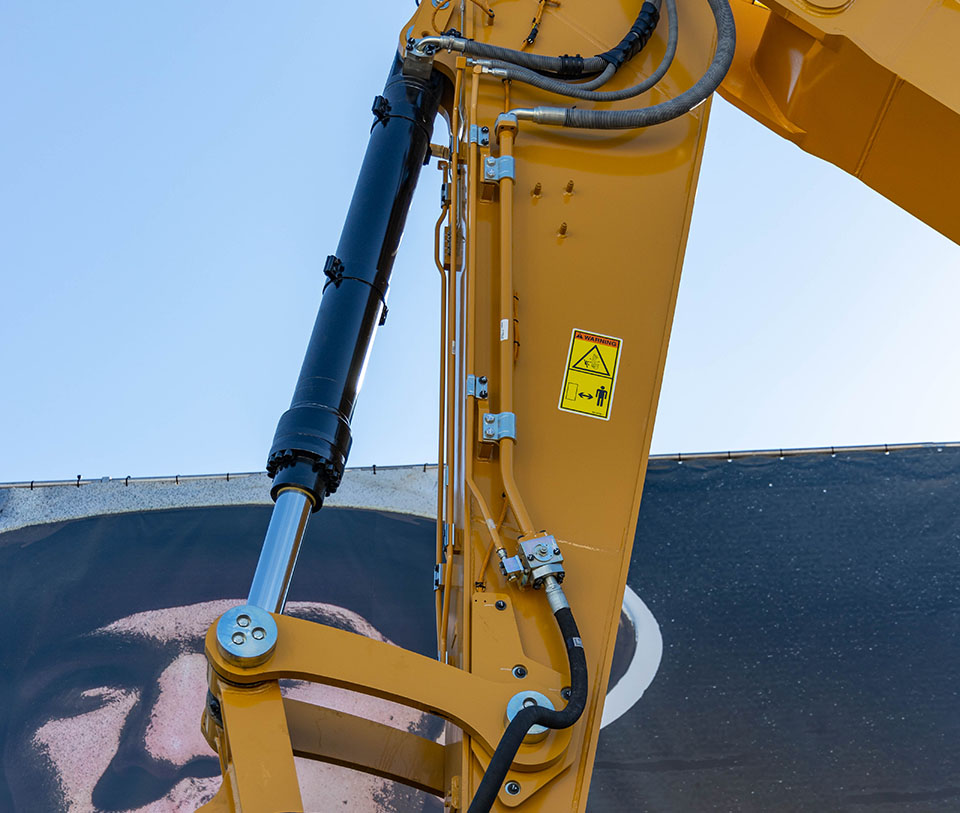
Bucket Cylinder: The Power Behind the Dig
AKA: Dump cylinder
The bucket cylinder is located on the lower portion of the boom arm and curls the attached bucket inward or outward, allowing loads to be picked up and dumped without utilizing the boom’s full range of motion, thus making it more efficient. While most of the weight of a load is carried by the boom arm, the bucket cylinder is the articulation that allows an operator to lift and dump earth.
While the original Kilgore Steam Machines did have two hydraulic cylinders on their booms, a bucket cylinder was not one of them. Instead, the bucket—which was static and faced away from the body of the machine—was pulled by one hydraulic cylinder in the center of the boom arm. Articulation of the bucket back and forth like a human wrist wasn’t introduced until much later.
When a bucket cylinder fails, you can expect to see your machine fail to hold a load steady. When the cylinder has a leak, you’ll see fluid flow down the rod of the cylinder. However that isn’t the only indication of a bucket cylinder failure. Drifting—the unexpected drop of your bucket during use—or slow or jerky movement can also indicate a failure in this cylinder.
Can’t Find Your Bucket Cylinder Online?
Request a Quote from Our Experts
We have access to over 10 million parts not listed in our store.
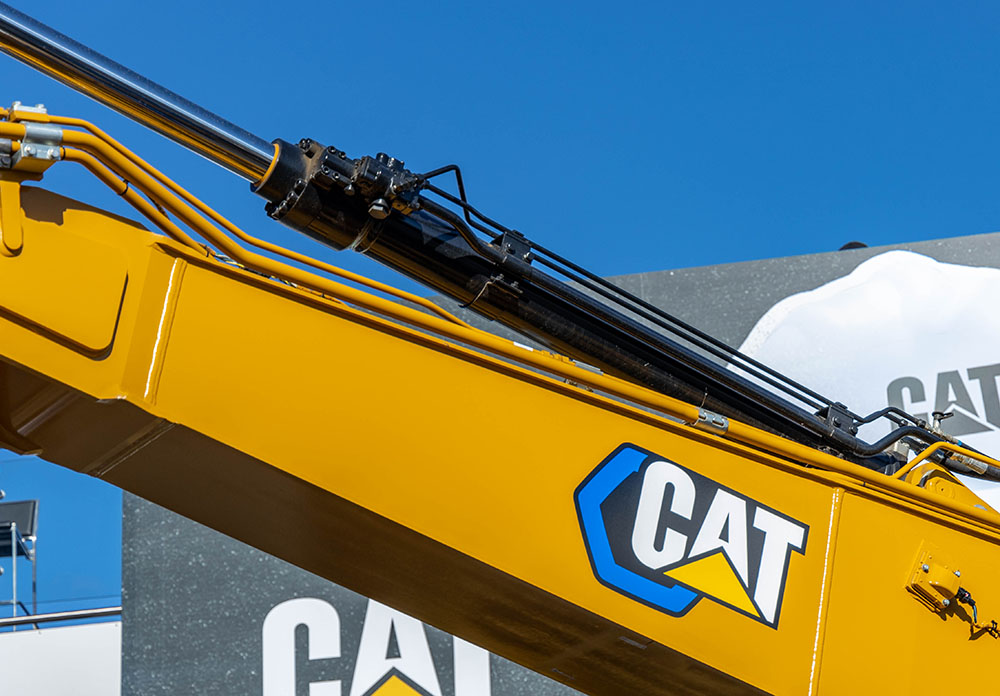
Stick Cylinder: King of the Reach
AKA: Arm, Crowd, or Dipper Cylinder
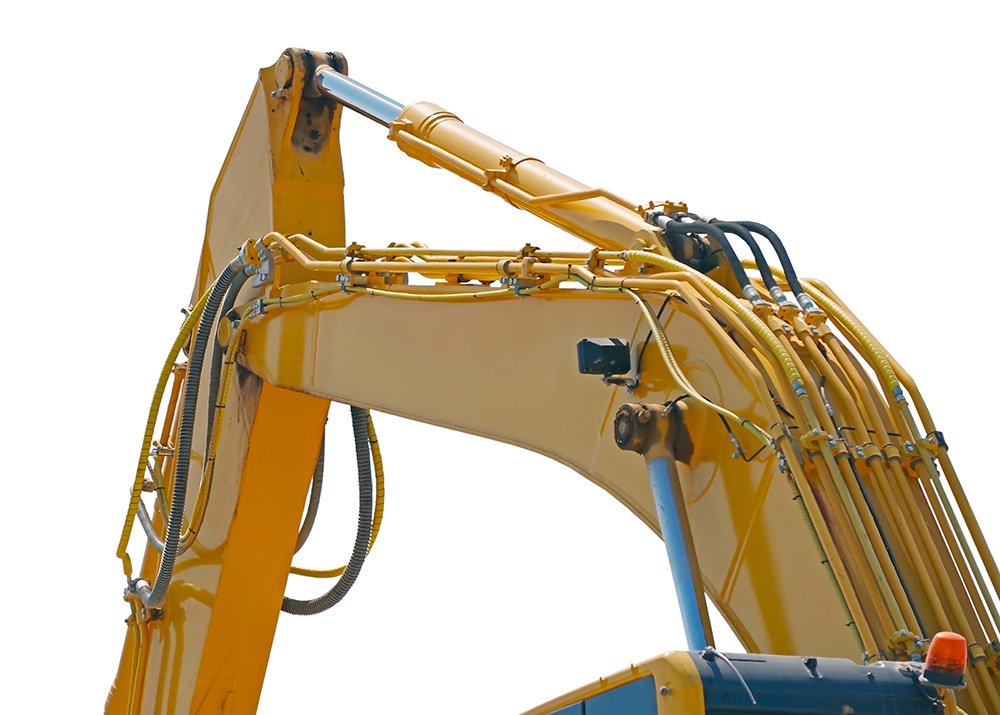
The stick cylinder is positioned across the top of the excavator boom and controls the tilt of the lower arm. Extending the cylinder fully pulls the arm towards the body of the machine, while retracting the rod pushes the lower arm out away from the body.
While the first hydraulic machines did have a cylinder that performed the same function as the modern stick cylinder, it differed in location. On the Kilgore machines, the equivalent to a modern stick cylinder was located within the arm and had the ability to shift to a vertical position to facilitate the full lift of the bucket.
Much like the bucket cylinder, when a stick cylinder fails, you can expect to see drifting and jerky movement during operation. Loss of power or speed is can indicate a leak or other issue. Additionally, if the cylinder is excessively hot to the touch, there may be a problem in the barrel of the part.
Prefer to Speak with a Parts Specialist About Your Excavator?
Call 1-716-836-5069
Our team is standing by to help with complex orders and fitment questions.
Boom Cylinder: Up, Down and All Around
AKA: Lift or Boom Lift cylinder
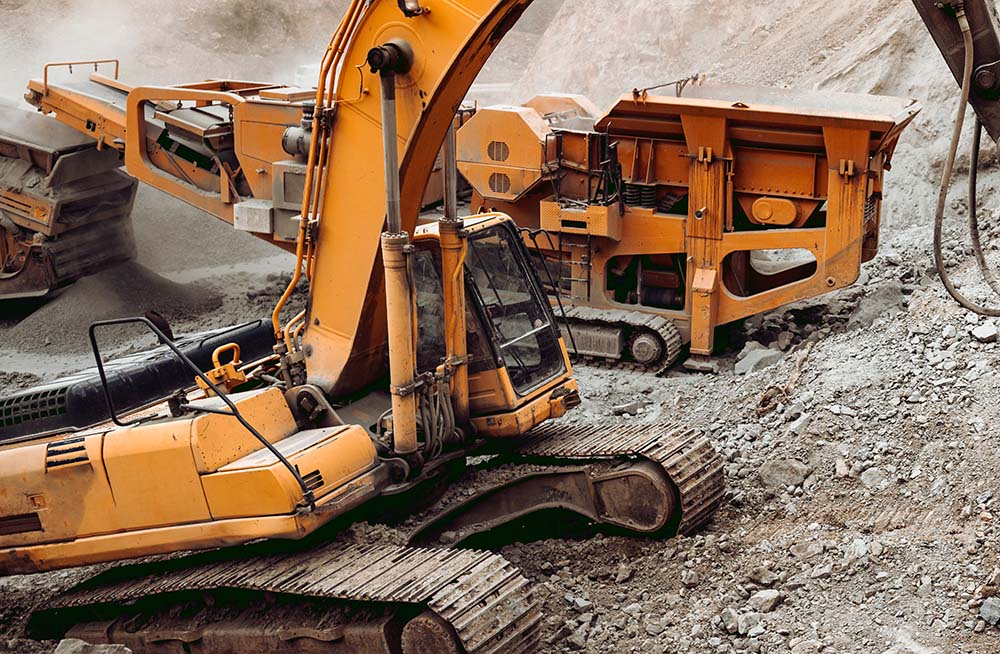
The Boom cylinder is positioned closest to the body of the machine at the base of the boom arm, hence the name. These cylinders raise and lower the entire boom arm. On larger machines there may be two boom cylinders to accommodate the total weight of the arm and the bucket load.
In the 1950s, the French Yumbo excavator machine entered the scene and became popular in large scale projects. The boom arm of these machines were positioned more overhead the cab rather than in front of it and thus the boom cylinders were placed nearer to the cab itself in order to facilitate the movement of the boom arm.
Much like the other cylinders on an excavator, key indicators of a mechanical issue are drift in the boom arm, leaking fluid, and sluggish movement. However, you may also hear a strange knocking when it comes to the boom cylinder. This can indicate a lack of hydraulic fluid within the barrel of the component.
Order Your Boom Cylinder When You Need it Online!
Browse the ConEquip Online Store
Find parts fast, start with make, model or part number.
Other Cylinders
Swing Cylinders
Smaller machines like mini-excavators and backhoes may have additional hydraulic cylinders that larger machines lack. Generally, they can be found on smaller machines that utilize a steadier base such as planted spider leg configuration such as the Deere 401C Backhoe Loader. These options limit the lateral movement of the boom arm, so the swing cylinder alleviates that limitation.
Blade Cylinders
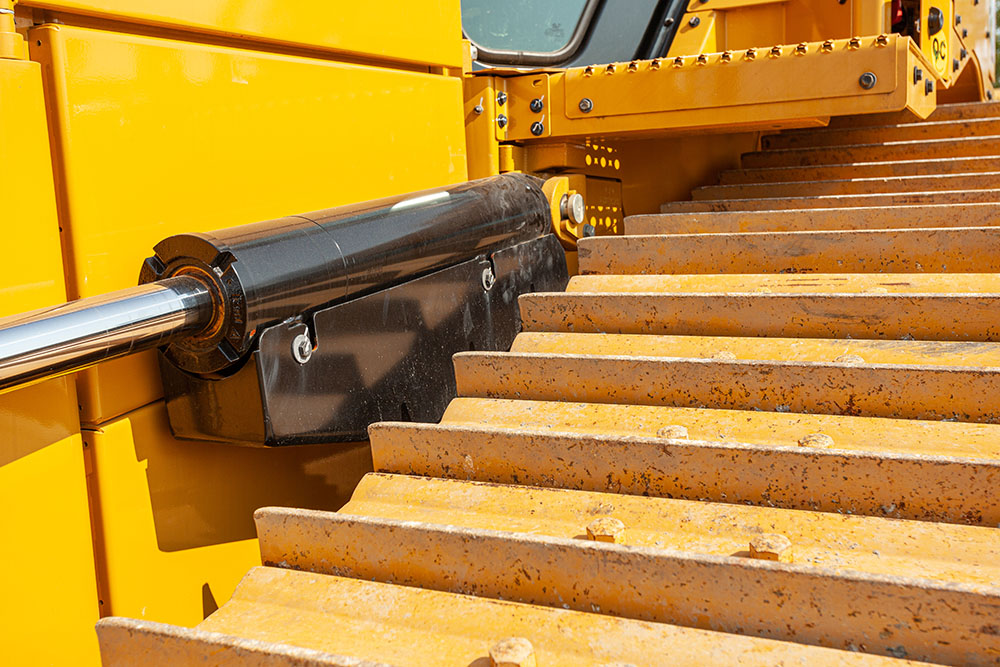
Blade Cylinders are limited to small to medium machines such as the bobcat E45, and E55 excavators, and control the lift of the blade, also called a grader, up from the ground. It’s positioned at the base cab in front of the tracks.

No Call Needed—Just Click and Buy
Order Heavy Equipment Parts Online
Simple checkout, live inventory, and 24/7 access to parts.
Other Resources for Maintenance
If you are in need of additional resource, we here at ConEquip are here to help. Below are guides to Hydraulic maintenance.


