
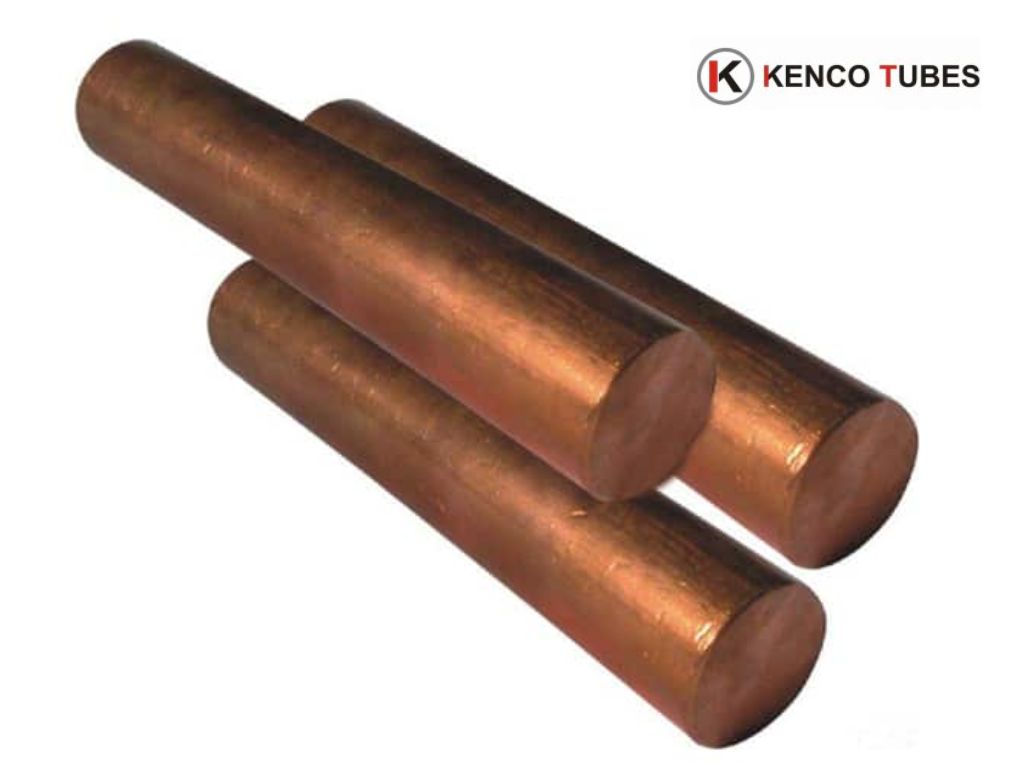
Copper is the backbone of the modern world. It is a very important material that is used in everything, from the power grid to the car in your driveway. The need for high-conductivity materials has grown as global industries move toward electric cars and green energy. Copper Bars and Rods serve as the heavy-duty carriers of this energy. They are engineered components that allow for the efficient flow of power and heat in massive industrial systems.
What Are Copper Bars and Rods?
Copper bars and rods are solid metal products that are made through a process called extrusion or continuous casting. Manufacturers melt down high-purity copper cathodes and shape them into specific shapes. Copper is often found in grades like C11000 or C10100, depending on the purity needed. While “rod” usually refers to a round shape, “bar” often implies a flat, square, or hexagonal profile. These products are known for being dense, strong, and incredibly easy to work with.
Key Properties of Copper Bars and Rods
These materials are chosen for specific physical traits that make them stand apart from other metals.
- Excellent electrical and thermal conductivity: Copper is the preferred choice for moving electricity. It allows power to flow with very little resistance, which prevents energy loss and overheating in circuits.
- High corrosion resistance: This metal forms a protective outer layer when exposed to air or water. This prevents the core from rusting or thinning, even in damp or salty industrial settings.
- Easy machinability and formability: Copper can be bent, cut or drilled without cracking. This makes it easy for manufacturers to make complicated parts without damaging their tools.
- Long service life and recyclability: Copper stays strong for decades without losing its quality. When a machine’s life is over, the copper can be melted down and used again without losing any performance.
Different jobs require different chemical compositions to ensure safety and efficiency.
-
Electrolytic Tough Pitch (ETP) Copper
This is the most common grade used in electrical work. It has a 99.9% purity level and offers the best conductivity for the price. It is the go-to choice for busbars and power terminals.
-
Oxygen-Free (OF) Copper
This type is melted under a vacuum to remove all traces of oxygen. It is used in high-vacuum electronics and high-end audio equipment because it does not become brittle when heated.
-
Phosphorus Deoxidized (DHP) Copper
By adding a tiny bit of phosphorus, the copper becomes much easier to weld and braze. This type is mostly used in plumbing and heat exchanger tubes.
-
Flat Bars, Square Bars, and Round Rods
Flat bars are perfect for stacking in electrical panels. Square bars provide stability in structural builds, while round rods are the standard for bolts, pins, and fasteners.
Major Industrial Applications
You can find these copper components in almost every sector of the global economy.
-
Electrical and Power Transmission Systems
Copper bars act as busbars in switchgear and large power plants. They carry massive amounts of current between transformers and the main power grid.
-
Automotive and Transportation Industries
Electric vehicles use miles of copper for their motors and batteries. Copper rods are also vital for welding the frames of cars and trains.
-
HVAC and Refrigeration Equipment
Because it moves heat so well, copper is the ideal choice for cooling fins. It helps air conditioners and fridges stay cool while using less power.
-
Manufacturing Machinery and Components
Copper is used for the wiring and bushings inside industrial robots and lathes. The metal can handle the heat and friction that comes with daily use in a factory.
-
Construction and Architectural Applications
Builders use copper for lightning rods and decorative accents. It is strong enough to protect a building and aesthetic enough enough to be used as decoration.
Manufacturing Standards and Specifications
Most bars and rods follow strict rules like ASTM B187 or EN 13601 for quality assurance. These standards dictate how thick a bar can be and how smooth the surface must look. “Eddy current” tests are used to find hidden cracks in high-end products. Sourcing your materials from a certified copper bar manufacturer ensures that the metal meets these safety and performance standards.
Advantages of Using Copper Bars and Rods
Using copper provides a clear return on investment through performance and savings.
-
High performance in demanding conditions
Copper does not get brittle in the cold or become soft in the heat. It stays reliable even when your machinery is running at full capacity.
-
Energy efficiency benefits
Low resistance means less power is wasted as heat. This lowers your monthly utility bills and puts less strain on your electrical gear.
-
Reduced maintenance requirements
Since copper resists corrosion, you won’t have to replace parts as often. This keeps your production line running without unexpected stops for repairs.
-
Cost-effectiveness over lifecycle
The initial price might be higher than aluminum, but it lasts longer. Its high scrap value also means that you earn back your investment at the end.
Choosing the Right Copper Rod Supplier
The partner you choose to supply your metal is just as important as the metal itself.
- Stock availability and customization options: A good supplier has many sizes available. They should also be able to cut or mill the rods to your specific lengths.
- Packaging and safe transportation: Copper is heavy and can dent if not handled carefully. Find a supplier that ships in wooden crates and protective wraps to keep things safe.
- Compliance with industry standards: Make sure they send you Mill Test Reports with every order. This proves that the metal is exactly what you paid for.
Working with a reliable Copper Rod supplier keeps your project on track and your machines safe.
Conclusion
Engineers prefer copper bars and rods because they efficiently can carry power and resist wear. From the smallest motor to the biggest power plant copper is strong enough for modern industries. You can make sure your systems stay efficient for years to come by using high-quality materials and working with a trusted partner.
Source premium Copper Bars and Rods from experienced suppliers to ensure quality, performance and long-term reliability.


