
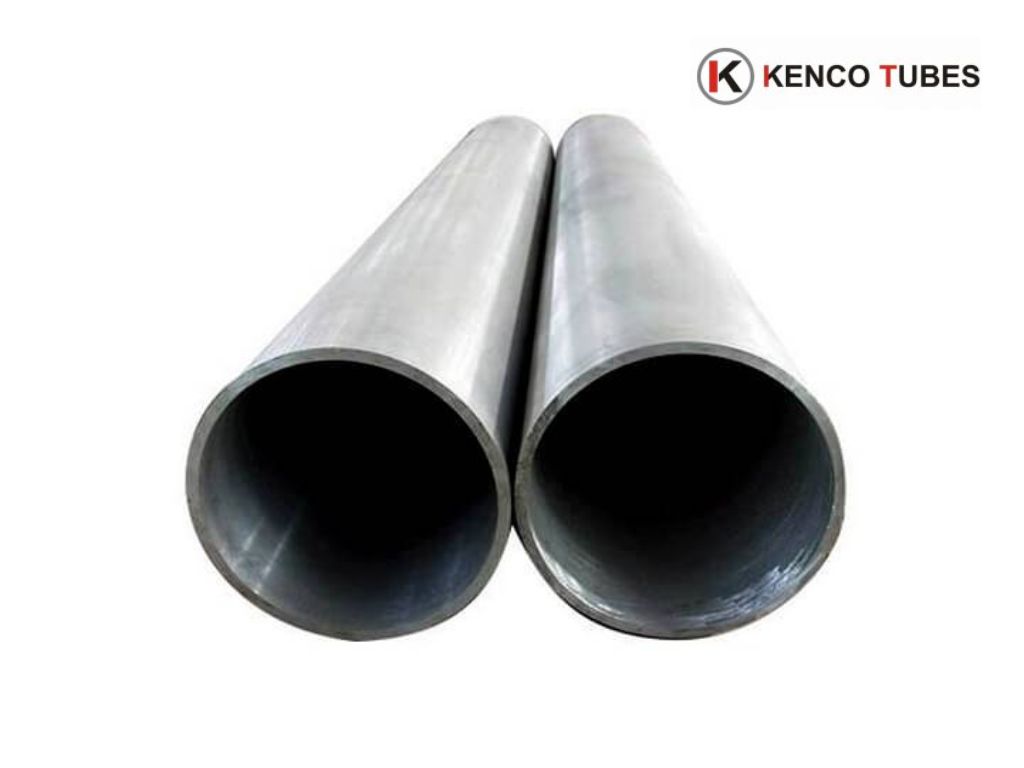
The oil and gas industry continues to expand as energy demand rises across regions, and sectors. This growth increases the need for pipeline systems, that can operate safely under high pressure, long distances, and harsh environments. Pipeline failure is not an option where flow safety, uptime and asset life matter. SAW pipes have become the preferred option in such situations due to their high strength, consistent weld quality, and capacity to withstand large diameters. These pipes operate in a key function in crude oil transportation, gas transmission, offshore lines, and plant piping systems. Their performance depends not only on design but also on controlled manufacture, and careful testing. This blog discusses SAW pipes, their qualities, types, and crucial oil and gas applications. It also describes the standards, benefits and value provided by professional SAW pipe manufacturers in India.
What Are SAW Pipes?
SAW Pipes are steel pipes created using the submerged arc welding process, where the weld arc stays covered under a layer of flux. This method ensures deep weld penetration and consistent heat management during manufacturing. This procedure involves forming steel plates or coils into pipe shapes and welding the seams. Submerged arc welding creates clean, robust welds with a low defect rate. The two main types are longitudinal SAW, where the weld runs straight along the pipe length, and helical SAW, where the weld follows a spiral path. These pipes often consist of carbon steel or low-alloy steel. Depending on the size range, they have high strength and uniformity, which makes them perfect for oil, gas, and fluid transport systems that operate in harsh environments.
Key Properties of SAW Pipes
SAW Pipes provide an ideal balance of strength, reliability, and performance for oil, and gas operations.
- High tensile strength and durability: The welding method ensures that the pipe can withstand high internal pressures without bursting. This strength makes them ideal for transporting heavy crude oil or high-pressure gas.
- Excellent weld integrity: Submerged arc welding forms deep, uniform welds. This reduces the risk of cracks, leaks, and joint failure.
- Resistance to corrosion and external pressure: With proper coatings and material choice, SAW pipes resist soil stress, moisture, and chemical exposure.
- Suitable for large-diameter applications: The process supports wide diameters and thick walls. This suits the main transmission lines and bulk flow systems.
Types of SAW Pipes Used in Oil & Gas
Different SAW pipe types meet diverse project requirements in oil and gas systems.
- Longitudinal SAW (LSAW) Pipes: Steel plates are shaped into cylinders with a straight weld seam. They provide excellent strength and precise size control.
- Helical SAW (HSAW) pipes: These pipes are formed from steel coils that have been spiral welded. This design is suitable for long pipelines with adjustable diameter requirements.
- Differences in structure and performance: LSAW pipes handle higher pressure due to straight seams. HSAW pipes suit longer runs and varied terrain.
- Selection based on project requirements: Design pressure, diameter, route length, and cost guide the choice between LSAW and HSAW pipes.
SAW Pipes support many core oil and gas operations, both upstream and downstream.
- Crude oil transportation pipelines: These pipes move crude oil from fields to refineries. Their strength supports long distances and steady flow.
- Natural gas transmission lines: SAW pipes can withstand high gas pressure while offering low leakage risk. Weld quality ensures safe transportation between areas.
- Offshore and onshore pipelines: They withstand seabed pressure, and soil stress. Thick walls provide support for both offshore, and underground wires.
- Refineries and petrochemical plants: SAW pipes are used for carrying process fluids, steam, and feedstock. Their size range meets the plant layout, and flow requirements.
- Water injection and slurry pipelines: These pipes handle abrasive, and pressurised fluids. Durability helps maintain flow in enhanced recovery systems.
Manufacturing Standards and Specifications
To ensure safety and performance, SAW pipes used in the oil and gas industries must adhere to international standards. The common specifications, include API 5L for line pipes, ASTM standards for material control, and ISO standards for quality systems. These standards define chemical composition, mechanical strength, size restrictions, and dimensional precision, all of which are crucial for joint fit and pressure management. Nondestructive testing methods, such as ultrasonic testing, radiography and hydrostatic testing, are used to determine the material’s quality and detect hidden faults. A certified SAW pipe manufacturer in India strictly adheres to these guidelines. It ensures that pipelines comply with project rules, safety requirements and long-term service expectations in oil and gas installations.
Advantages of Using SAW Pipes
SAW pipes offer practical benefits that support large oil and gas projects.
- Cost-effective for long-distance pipelines: As they are manufactured in larger diameters, fewer lines are required to transport the same amount of product. This saves money on both materials, and installation labour.
- High load-bearing capacity: The thick walls can support the weight of the earth above them, or the water pressure in deep-sea environments. This makes them safer for remote areas.
- Long service life with low maintenance: Once installed, these pipes require minimum maintenance. Due to their resistance to wear and strain, they last longer in the ground than other affordable options.
- Excellent performance in harsh environments: From freezing arctic temperatures to scorching tropical heat, these pipes maintain their mechanical properties. They don’t become brittle or soft easily.
Choosing the Right SAW Pipe Manufacturer
Selecting the right supplier ensures safety, cost, and project success. A capable manufacturer offers strong production capacity and modern welding technology. This ensures a regular supply, and consistent quality. Quality certifications, test labs and inspection systems provide process control. Custom sizes, wall thickness, and coating options help meet project requirements. Working with established SAW pipe manufacturers in India brings added value. Many offer competitive pricing, skilled labour, and export-ready systems. Reliable partners reduce supply risk and support smooth project execution from start to finish.
Conclusion
SAW pipes are essential for global oil and gas infrastructure. Their strength, welding integrity, and dimensional range provide secure and consistent flow in rigorous systems. These pipes meet pressure, and durability requirements throughout transmission lines and refineries. These products comply with international standards and rigorous testing ensures safety during an extended service life. Sourcing from trusted SAW pipe manufacturers in India adds quality control and supply reliability to ensure high-quality, durable pipeline solutions for oil and gas projects.


