wang li

Worn Idlers Are Wrecking Your Undercarriage: Here’s How to Stop the Bleeding | ConEquip.com

Worn Idlers Are Wrecking Your Undercarriage: Here’s How to Stop the Bleeding | ConEquip.com

When it comes to track machines like excavators, dozers, and CTLs, the idler often gets overlooked—until it fails. A small component in the undercarriage system , the idler plays a big role in keeping your machine running smoothly. If it wears out or fails, you’re looking at misaligned tracks, accelerated wear on other components, and

Worn Idlers Are Wrecking Your Undercarriage: Here’s How to Stop the Bleeding | ConEquip.com Read More »

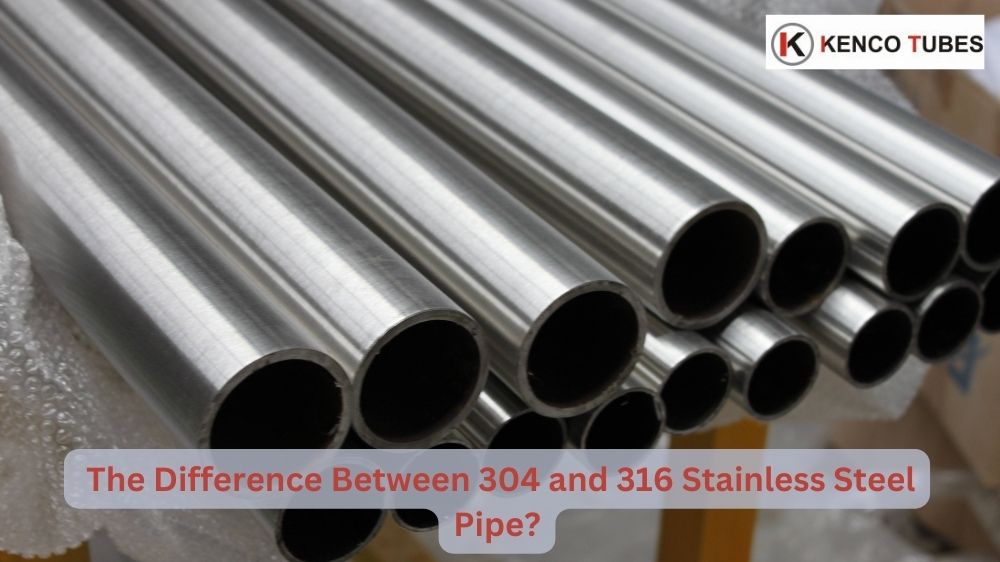
What’s the Difference Between 304 and 316 Stainless Steel Pipe?

What’s the Difference Between 304 and 316 Stainless Steel Pipe?

When selecting stainless steel pipes for industrial, commercial, or residential applications, it’s essential to understand the differences between various grades. Two of the most commonly used grades are 304 and 316 stainless steel. Each has unique properties and applications, making them suitable for different environments and uses. This guide will delve into the differences between

What’s the Difference Between 304 and 316 Stainless Steel Pipe? Read More »

Pipe Thread Chart-Core Function, Common Pipe Thread Standards

Pipe Thread Chart-Core Function, Common Pipe Thread Standards

In the piping system, Pipe Thread Chart is an essential tool. By standardizing the size parameters and ensuring the reliability of pipe thread connections, accidents such as leakage caused by thread mismatch can be avoided to the greatest extent, thus improving work efficiency. Pipe Thread Chart Pipe Thread Chart is a standardized technical document that

Pipe Thread Chart-Core Function, Common Pipe Thread Standards Read More »

What are Stainless Steel 316L Tubes? Properties, Uses, and Composition

What are Stainless Steel 316L Tubes? Properties, Uses, and Composition

Stainless steel is widely recognized for its strength, corrosion resistance, and versatility, making it a staple material across many industries. Among the many grades of stainless steel, 316L stands out due to its low carbon content and enhanced corrosion resistance, especially in challenging environments. This blog will explore the properties, uses, and composition of 316L

What are Stainless Steel 316L Tubes? Properties, Uses, and Composition Read More »

Schedule 80 Pipe: Size Table, Pressure Rating Table And Comparison With Schedule 40

Schedule 80 Pipe: Size Table, Pressure Rating Table And Comparison With Schedule 40

What is Schedule 80 Pipe? “Sch” is an indication method represented by ASME B36.10, indicating the specifications of steel pipes. Because most pipes are used to transport liquids and gases, the inner diameter of the pipe is very important. Schedule 80 does not indicate a specific pipe wall thickness, but a series of wall thicknesses.

Schedule 80 Pipe: Size Table, Pressure Rating Table And Comparison With Schedule 40 Read More »

Why Stainless Steel Pipes are the Ideal Choice for Exhaust Stacks

Why Stainless Steel Pipes are the Ideal Choice for Exhaust Stacks

Exhaust stacks play an important role in industrial and commercial applications by safely expelling gases, fumes, and other emissions. Their used material directly affects their performance, durability, and maintenance requirements. Among the available materials, Stainless Steel 310 Pipes have emerged as ideal for exhaust stacks. This blog takes through the various causes for such inclination

Why Stainless Steel Pipes are the Ideal Choice for Exhaust Stacks Read More »