Which is the Best Type of Metal to Use for Water Pipes?

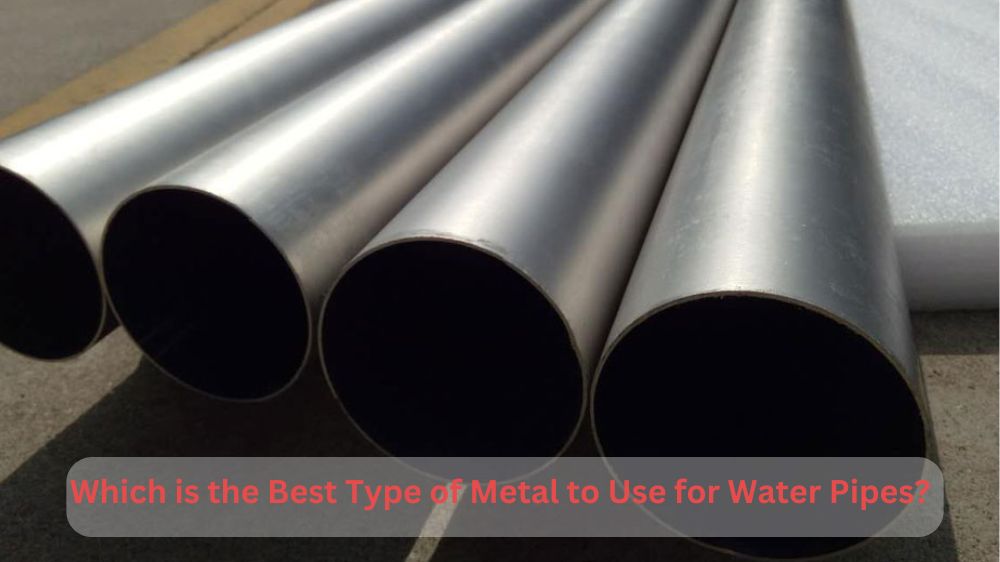
Which is the Best Type of Metal to Use for Water Pipes?

When it comes to choosing the right material for water pipes, several factors come into play, including corrosion resistance, strength, cost, and durability. Water pipes are essential for delivering clean, potable water in residential, commercial, and industrial applications, so choosing the best material is critical to ensure long-lasting performance and prevent costly repairs. Among the

Which is the Best Type of Metal to Use for Water Pipes? Read More »

Schedule 80 Pipe: Size Table, Pressure Rating Table And Comparison With Schedule 40

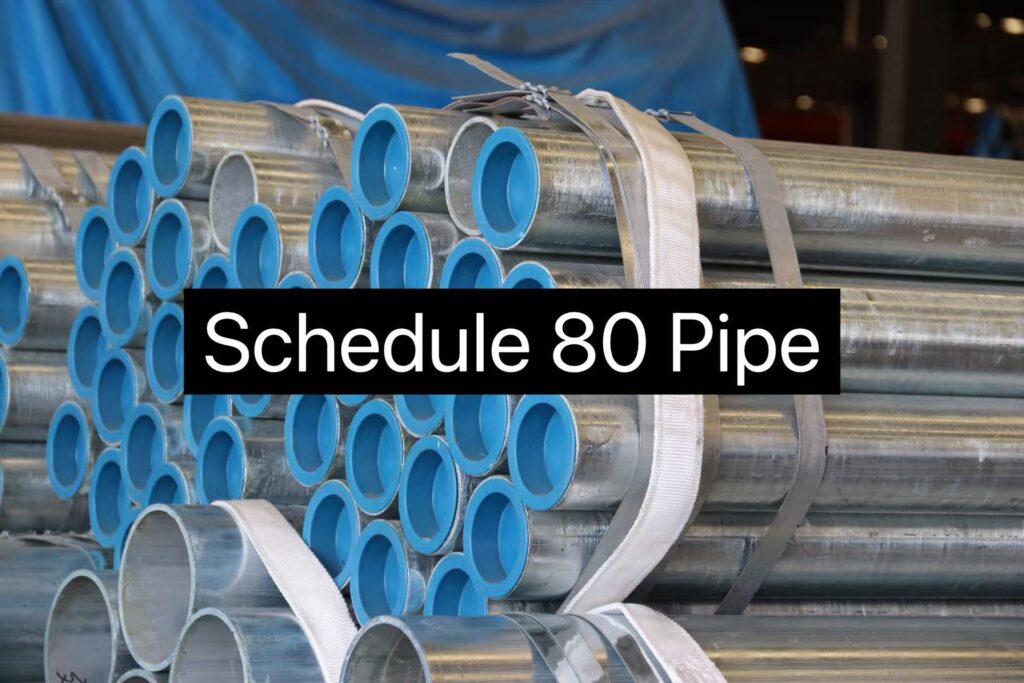
Schedule 80 Pipe: Size Table, Pressure Rating Table And Comparison With Schedule 40

What is Schedule 80 Pipe? “Sch” is an indication method represented by ASME B36.10, indicating the specifications of steel pipes. Because most pipes are used to transport liquids and gases, the inner diameter of the pipe is very important. Schedule 80 does not indicate a specific pipe wall thickness, but a series of wall thicknesses.

Schedule 80 Pipe: Size Table, Pressure Rating Table And Comparison With Schedule 40 Read More »

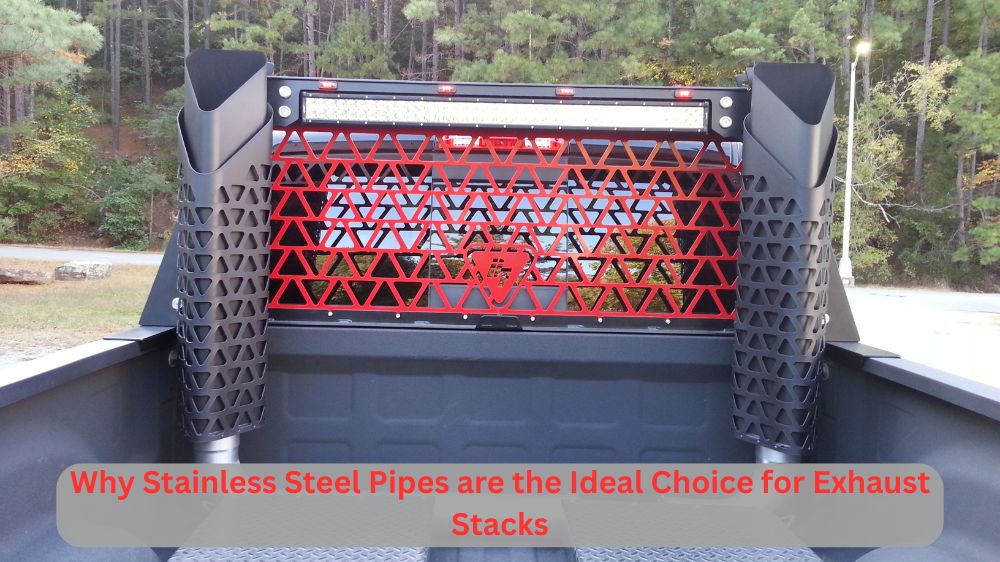
Why Stainless Steel Pipes are the Ideal Choice for Exhaust Stacks

Why Stainless Steel Pipes are the Ideal Choice for Exhaust Stacks

Exhaust stacks play an important role in industrial and commercial applications by safely expelling gases, fumes, and other emissions. Their used material directly affects their performance, durability, and maintenance requirements. Among the available materials, Stainless Steel 310 Pipes have emerged as ideal for exhaust stacks. This blog takes through the various causes for such inclination

Why Stainless Steel Pipes are the Ideal Choice for Exhaust Stacks Read More »

Online Calculate Structural Pipe-Weight, Pressure, Wall Thickness, Length

Online Calculate Structural Pipe-Weight, Pressure, Wall Thickness, Length

Pipe Wall Thickness Calculator Design Pressure (P, MPa): Outside Diameter (D, mm): Allowable Stress (S, MPa): Joint Efficiency (E): Corrosion Allowance (C, mm): Required Wall Thickness: 0 mm Material Type‌ ‌Allowable Stress (MPa) ‌ ‌Allowable Stress (psi) ‌ ‌Temperature Range ‌ ‌Standard Reference ‌ Carbon Steel (A106 Gr. B) 138 20,000 -29°C to 427°C ASME

Online Calculate Structural Pipe-Weight, Pressure, Wall Thickness, Length Read More »

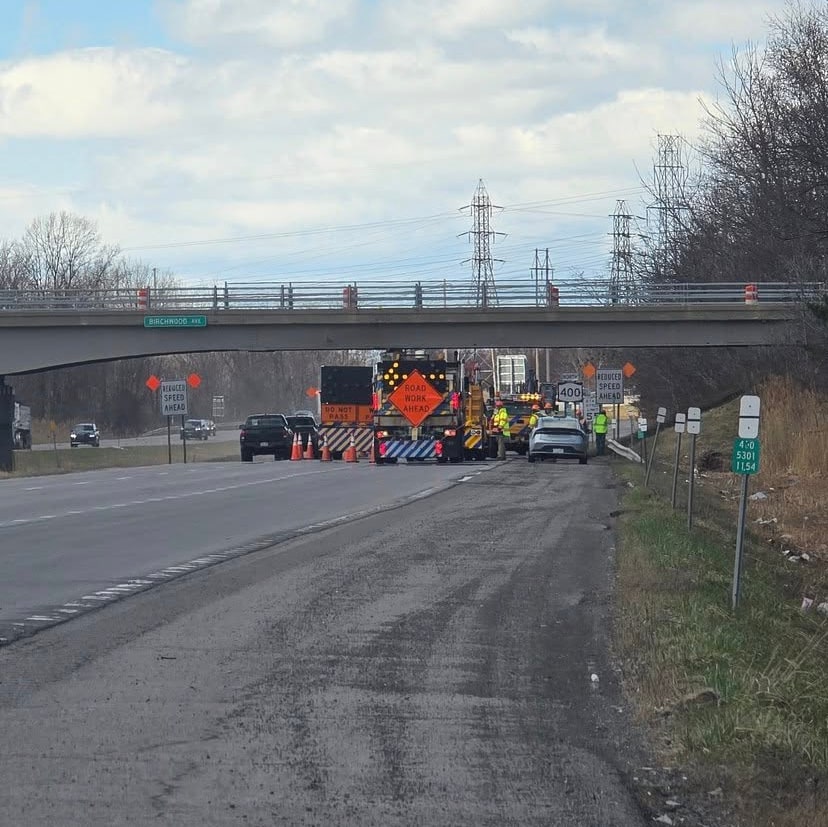
Excavator Slams Into Overpass on Highway, Causing Widespread Damage | ConEquip.com

Excavator Slams Into Overpass on Highway, Causing Widespread Damage | ConEquip.com

Morning commuters on Route 400, in West Seneca, New York were caught in a startling scene after a tractor-trailer hauling an excavator collided with the Birchwood Avenue overpass. The equipment was too tall for the clearance, and the impact not only damaged the overpass but also sent debris scattering onto the highway, striking two uninvolved

Excavator Slams Into Overpass on Highway, Causing Widespread Damage | ConEquip.com Read More »

Choosing SMO Tubes for High-Stress Applications

Choosing SMO Tubes for High-Stress Applications

In industries where extreme pressure, aggressive chemicals, and harsh environments are the norm, the materials used in construction and process systems must be exceptionally reliable. One such material that stands out for its superior performance in high-stress applications is stainless steel 254 SMO tubes . Known for their high strength, corrosion resistance, and durability, these

Choosing SMO Tubes for High-Stress Applications Read More »

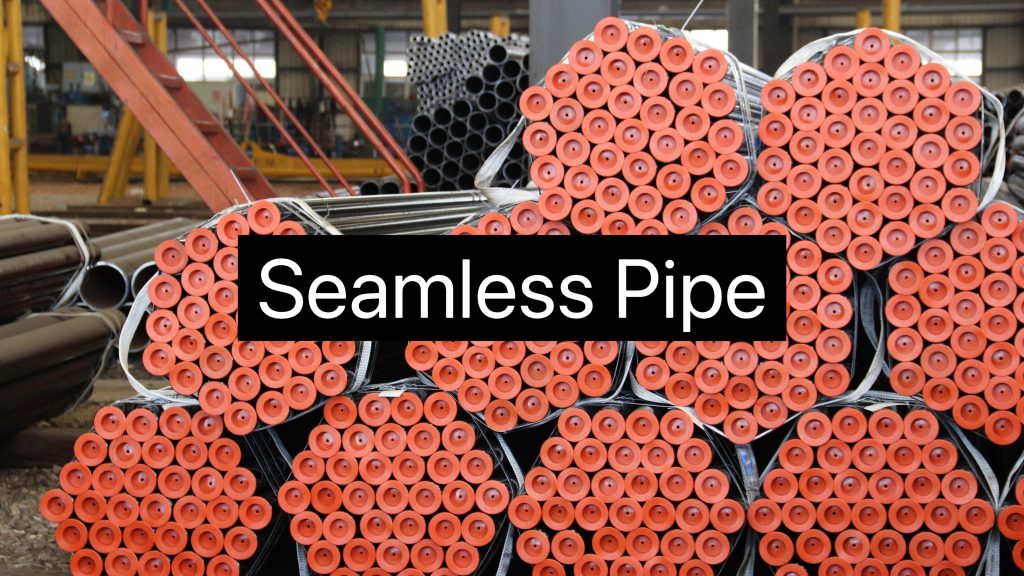
Seamless Pipe – Hot Rolling And Cold Drawing Process – PandaPipe

Seamless Pipe – Hot Rolling And Cold Drawing Process – PandaPipe

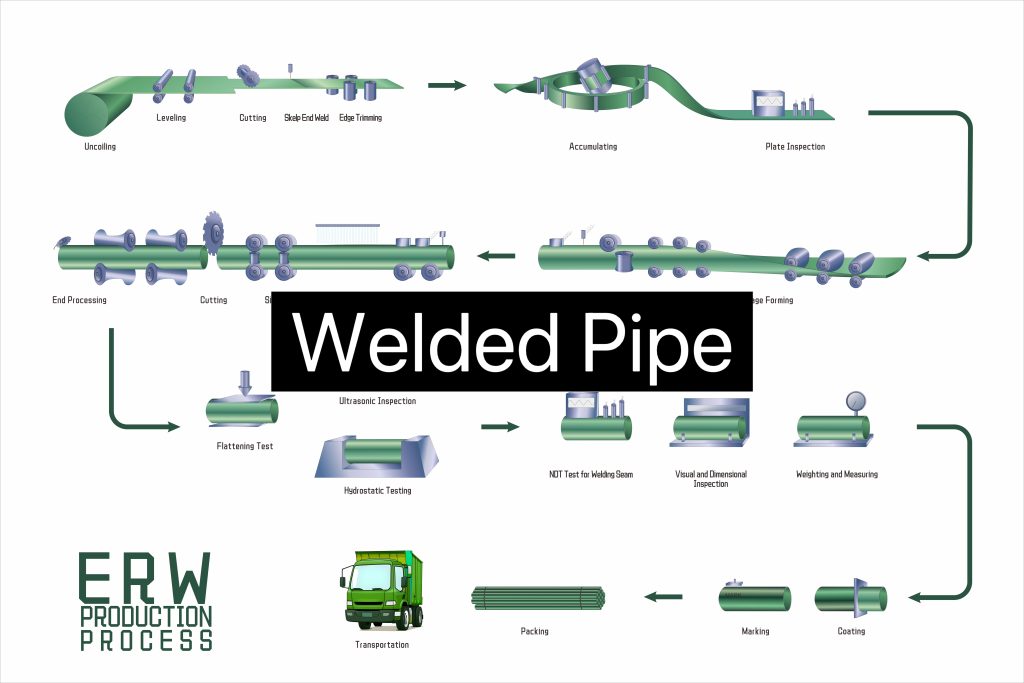
1.seamless vs welded pipe? The pressure bearing capacity and strength of seamless steel pipe are higher than those of ERW welded steel pipe. The weld of welded steel pipe is its weak link, and its quality will affect the overall performance. 2.‌What are the main application areas of seamless steel pipes? Widely used in petroleum

Seamless Pipe – Hot Rolling And Cold Drawing Process – PandaPipe Read More »