
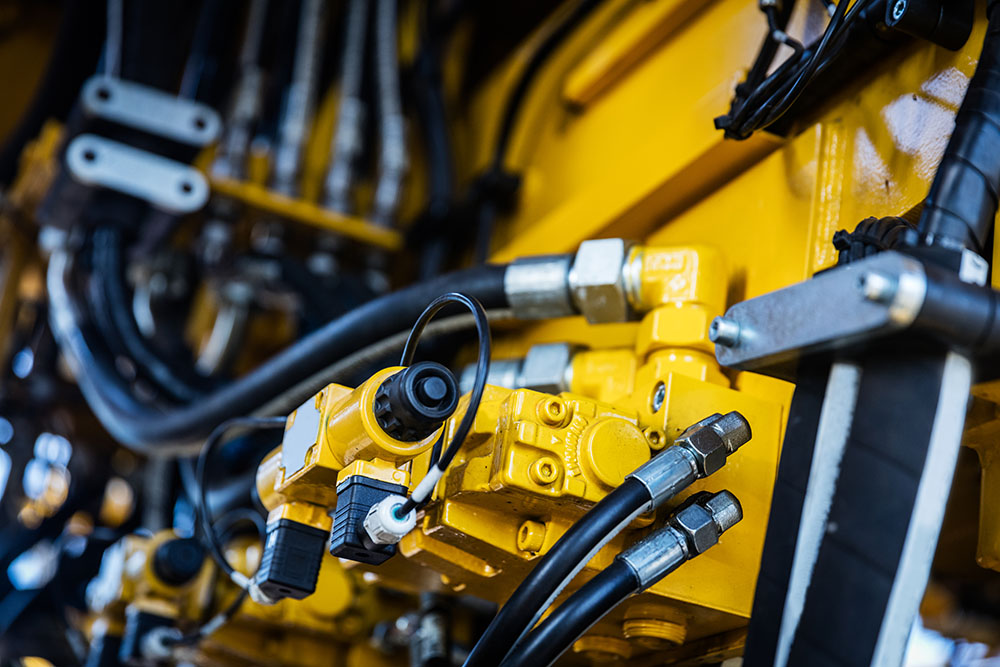
Hydraulic pumps are the heart of any hydraulic system. They convert mechanical energy from an engine or motor into fluid flow, which then creates the pressure needed to move heavy loads, operate cylinders, and power attachments.
From construction equipment and agricultural machinery to industrial presses and manufacturing systems, hydraulic pumps make modern machinery possible. Choosing the right pump type directly affects performance, efficiency, reliability, and operating cost.
Most hydraulic systems rely on three primary pump designs: gear pumps, piston pumps, and vane pumps. Each type offers unique advantages depending on pressure requirements, operating environment, and precision needs.
What Is a Hydraulic Pump?
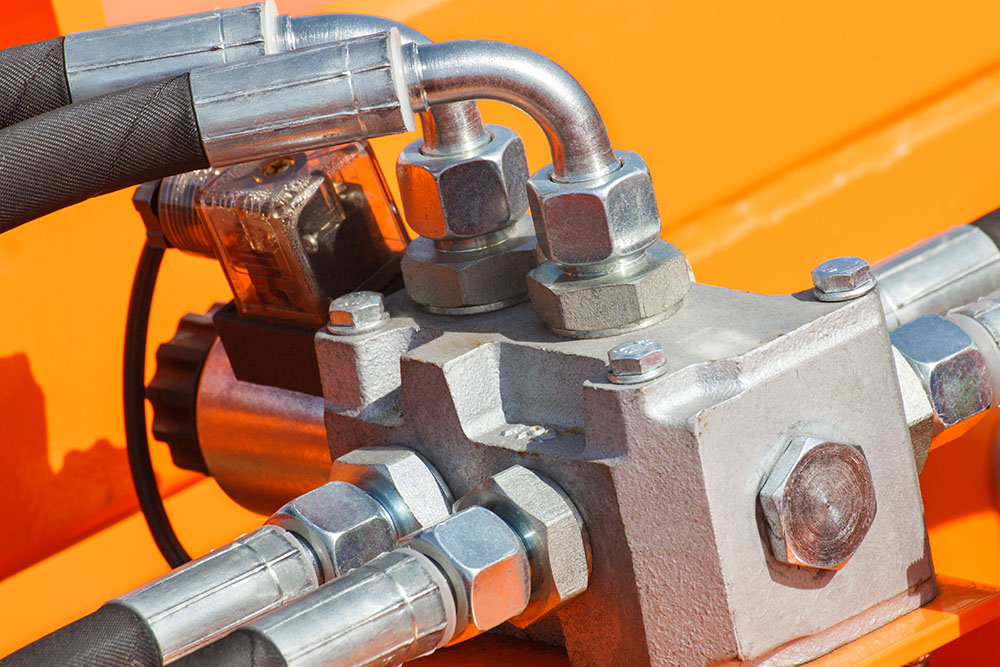
A hydraulic pump is a mechanical device that moves hydraulic fluid from a reservoir into a system, creating flow. Pressure is generated when that flow meets resistance within the system.Unlike compressors, hydraulic pumps do not compress fluid. Instead, they transfer energy by moving liquid through a closed circuit. Most mobile and industrial hydraulic systems use one of three pump designs: gear pumps, piston pumps and vane pumps. Understanding how each works will help you select the best pump for your equipment or application.
Order Heavy Equipment Parts Online 24/7
Visit the ConEquip Online Store
Search by part number or machine model for fast results.
Gear Pumps: Simple, Durable, and Economical
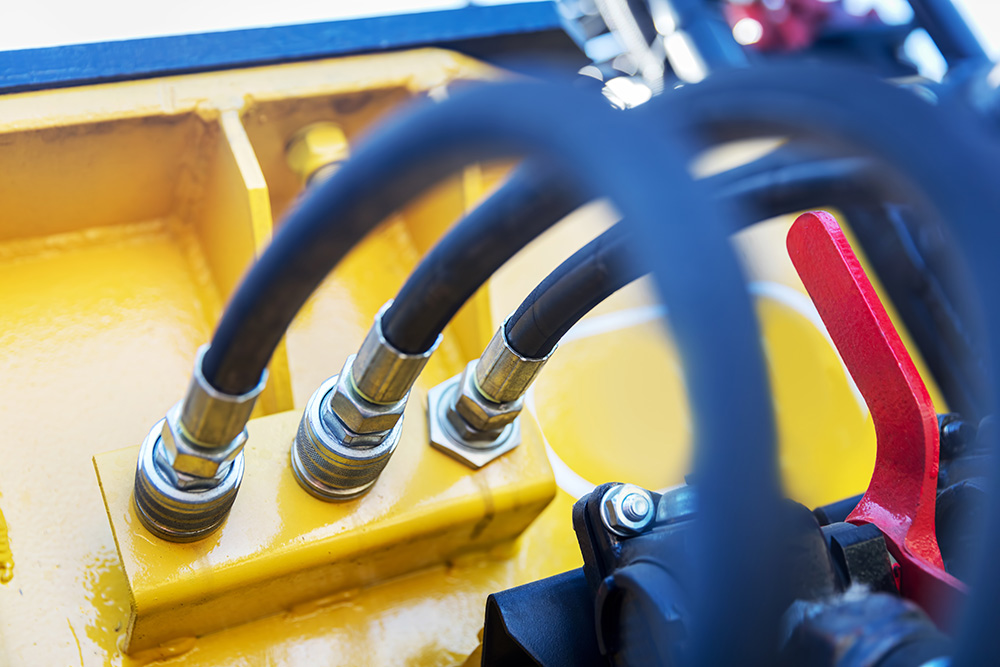
Gear pumps are the most common hydraulic pumps used in mobile equipment. Their popularity comes from a straightforward design that prioritizes durability, reliability, and low cost. Inside the pump housing, two meshing gears rotate to move fluid. As the gears turn, hydraulic oil becomes trapped between the gear teeth and the casing, carried around the outside of the gears, and forced out at the outlet. This continuous motion produces a steady flow of fluid.
Because gear pumps contain relatively few moving parts, they are highly resistant to wear and mechanical failure. They also tolerate contaminated fluid better than more complex pump designs, making them well suited for harsh environments such as construction sites, agricultural operations, and outdoor industrial work.
Most gear pumps are fixed-displacement pumps, meaning they deliver the same volume of fluid for each revolution of the drive shaft. This makes system performance predictable but limits flexibility, since output cannot automatically adjust to changing demand. As system pressure increases, internal leakage within the pump also rises, which reduces efficiency at higher loads.
Gear pumps are commonly found in skid steers, dump trucks, tractors, smaller excavators, and material handling equipment. For applications that require dependable performance at moderate pressure with minimal maintenance, they often provide the best value.
Can’t Find Your Part Online?
Request a Quote from Our Experts
We have access to over 10 million parts not listed in our store.
Piston Pumps: High Pressure and Maximum Efficiency
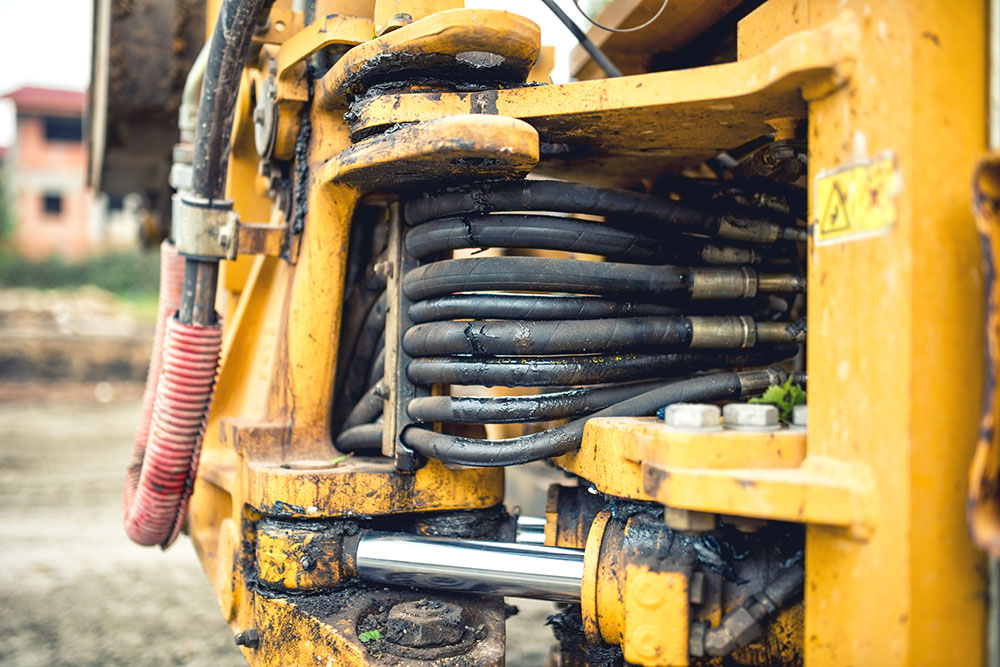
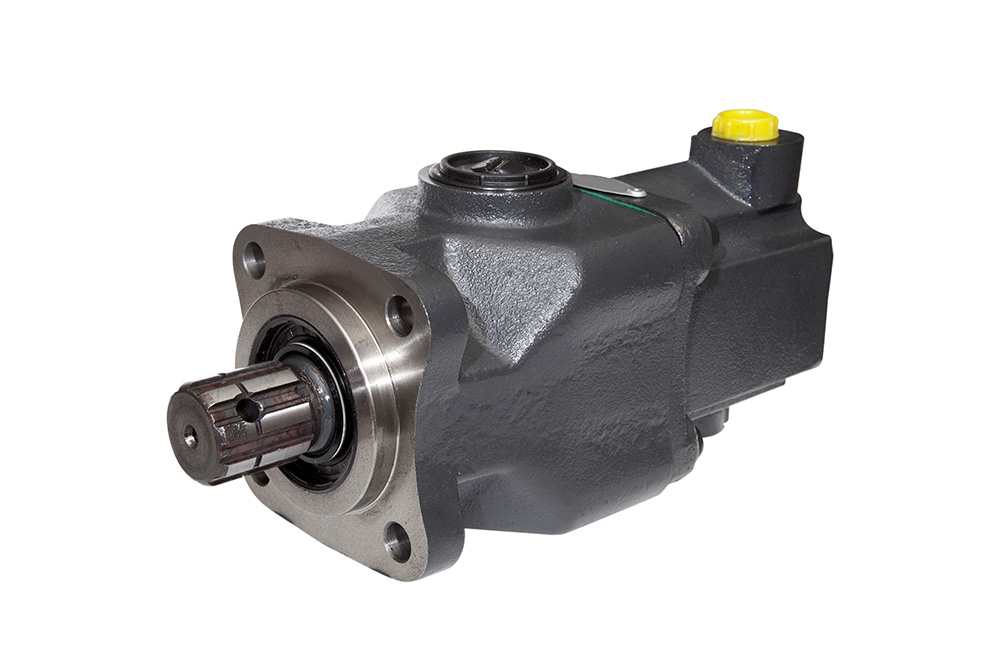
Piston pumps are designed for applications that demand high power, precision control, and superior efficiency. Instead of gears, these pumps use multiple pistons that reciprocate inside cylinders to move fluid. The pistons are typically driven by a rotating swash plate or cam mechanism. As the shaft turns, the pistons draw fluid into the cylinders and then push it out under pressure. This design allows piston pumps to operate at much higher pressures than gear or vane pumps while maintaining excellent efficiency.
Two main configurations exist: axial piston pumps and radial piston pumps. Axial designs arrange the pistons parallel to the drive shaft and are widely used in mobile equipment due to their compact size and performance capabilities. Radial piston pumps position the pistons perpendicular to the shaft and are often used in specialized industrial applications that require extremely high pressure.
Many piston pumps feature variable displacement, allowing them to adjust output flow automatically based on system demand. This reduces energy consumption, minimizes heat generation, and improves fuel efficiency in mobile machinery. Because they deliver only the fluid required at any moment, they are ideal for load-sensing hydraulic systems.
Piston pumps are commonly used in large excavators, mining equipment, hydrostatic transmissions, forestry machines, and high-performance industrial systems. However, their complexity makes them more expensive and more sensitive to contamination than simpler pump types. Clean fluid and proper maintenance are essential for long service life.
Prefer to Speak with a Parts Specialist?
Call 1-716-836-5069
Our team is standing by to help with complex orders and fitment questions.
Vane Pumps: Smooth, Quiet, and Consistent Flow
Vane pumps offer a balance between the simplicity of gear pumps and the high performance of piston pumps. They are particularly valued for smooth operation and low noise levels. Inside the pump, a rotor spins within an eccentric housing. Sliding vanes extend outward from the rotor and maintain contact with the housing as it turns. As the spaces between the vanes expand, fluid is drawn into the pump. As those spaces contract, the fluid is pushed out under pressure. This process creates a steady, low-pulsation flow. Because of this consistent output, vane pumps are often used in applications where vibration or uneven motion would cause problems. They are common in power steering systems, machine tools, injection molding equipment, and certain types of industrial machinery.
Vane pumps typically operate at moderate pressures and provide better efficiency than gear pumps in similar conditions. However, the tight tolerances required for the sliding vanes to function properly make them more sensitive to dirty fluid. Contamination can cause accelerated wear, so effective filtration and clean operating conditions are important.
While they are not usually selected for extreme pressure or harsh environments, vane pumps are an excellent choice when quiet operation and smooth hydraulic performance are priorities.
Order Heavy Equipment Parts Anytime
Browse the ConEquip Online Store
Find parts fast, start with make, model or part number.
Fixed vs. Variable Displacement Pumps
Hydraulic pumps are also categorized by whether their output flow can change.Fixed displacement pumps deliver a constant amount of fluid per revolution. They are simpler, less expensive, and widely used in gear pump designs. However, excess flow must often be controlled using valves, which can waste energy.
Variable displacement pumps can adjust the amount of fluid they produce based on system demand. This improves efficiency, reduces heat buildup, and provides more precise control. Variable designs are most associated with piston pumps and some vane pumps, particularly in modern equipment focused on fuel savings and performance optimization.
How to Choose the Right Hydraulic Pump
Selecting the correct hydraulic pump means matching the pump’s capabilities to the specific demands of the application. The most expensive or powerful option is not always the best choice. A pump that is well-suited to the system will deliver reliable performance, better efficiency, and lower long-term operating costs.
Pressure requirements are usually the starting point. Every hydraulic system operates within a designed pressure range, typically measured in PSI or bar. Moderate-pressure applications — such as smaller construction equipment, agricultural machines, or auxiliary hydraulic circuits — often perform well with gear or vane pumps. High-pressure systems that must generate significant force, such as large excavators, mining equipment, or industrial presses, generally require piston pumps, which are built to handle heavy loads without excessive wear or loss of efficiency.
Flow requirements are equally important because flow rate determines how quickly hydraulic components move. Fixed-displacement pumps provide a constant flow and work well for machines that perform steady, repetitive tasks. Equipment that experiences changing workloads or requires precise control often benefits from variable-displacement pumps, which adjust output automatically to match demand. This can improve efficiency and reduce heat buildup when full power is not needed.
Operating conditions also influence pump selection. Equipment used in dusty, dirty, or outdoor environments benefits from rugged designs that can tolerate contamination and vibration. Gear pumps are commonly chosen for these harsh conditions because of their durability and simplicity. Cleaner indoor or industrial settings can support vane or piston pumps, which rely on tighter internal tolerances and cleaner fluid to operate effectively. Temperature extremes should also be considered, since very hot or cold conditions can affect fluid performance and pump efficiency.
Other practical factors include installation space, energy efficiency, maintenance capability, and noise levels. Compact equipment may require smaller pump designs, while systems with fluctuating demand may benefit from more efficient variable-displacement pumps. Maintenance resources matter as well, since complex pumps often require cleaner fluid and more specialized service. In environments where noise is a concern, smoother and quieter pump types may be preferred.
Finally, cost should be evaluated in terms of total ownership rather than purchase price alone. A cheaper pump may require more frequent repairs, consume more energy, or wear out sooner. In many cases, investing in a pump that better matches the application can reduce downtime and operating expenses over the life of the equipment.
By considering pressure, flow, environment, efficiency, maintenance needs, and budget together, it is possible to select a hydraulic pump that delivers dependable performance and long service life.

No Call Needed—Just Click and Buy
Order Heavy Equipment Parts Online
Simple checkout, live inventory, and 24/7 access to parts.

Conclusion: Choosing the Best Hydraulic Pump for Your Application
Hydraulic pumps determine how efficiently and reliably a machine operates. Gear pumps offer simplicity and durability at a low cost. Vane pumps provide smooth, quiet performance for moderate-pressure applications. Piston pumps deliver maximum power, efficiency, and control for demanding systems.
There is no universally “best” hydraulic pump — only the one that best matches the requirements of the job. Understanding these differences helps equipment owners, operators, and technicians make informed decisions that improve performance, reduce downtime, and extend machine life.


