
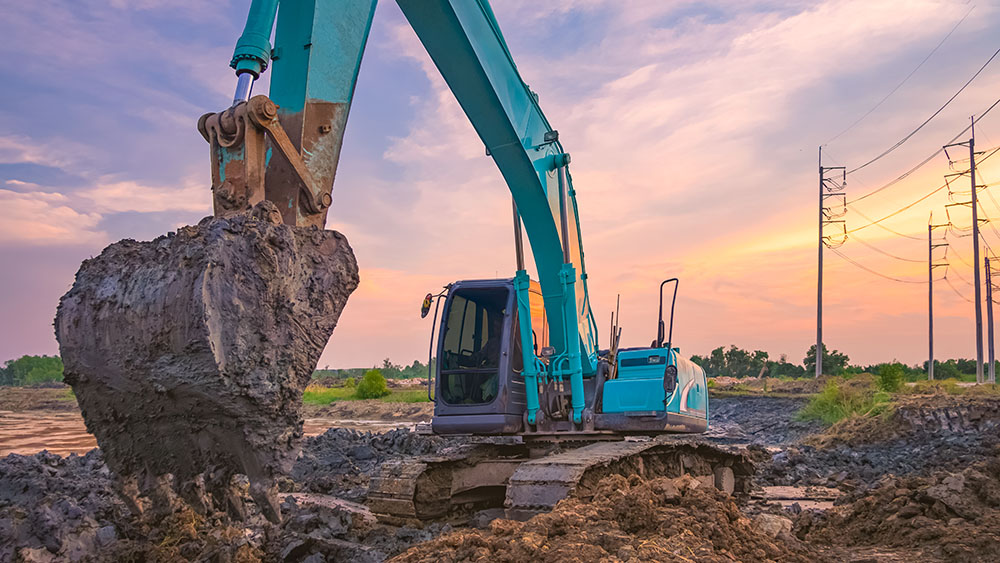
Excavators are among the most versatile and hard-working machines on any jobsite. From trenching and grading to demolition and material handling, they do a little bit of everything, and they do it under some of the toughest conditions imaginable. Dirt, dust, heat, cold, vibration, and long operating hours all take their toll. So how do you keep your excavator running at full capacity?
With today’s machines packed full of advanced hydraulics, electronics, and emission-control systems, it’s easy to assume that excavator maintenance has become overwhelmingly complex. And yes, modern excavators do require specialized knowledge. But here’s the good news: the fundamentals still matter just as much as ever.
In fact, many of the most expensive excavator failures can be traced back to neglected basics. Missed inspections, skipped cleanings, and “we’ll get to it later” maintenance habits quietly add up—until downtime, repair bills, and lost productivity hit all at once.
Whether you’re brushing up on the essentials or training new operators and technicians, these six excavator maintenance areas deserve consistent attention. Get them right, and you’ll extend machine life, improve performance, and reduce unplanned downtime across your fleet.
1. Undercarriage: The Single Biggest Maintenance Cost
If there’s one excavator component that deserves constant attention, it’s the undercarriage. Industry estimates consistently show that the undercarriage can account for up to 50% of an excavator’s total lifetime maintenance cost. That alone should make it a top priority.
The undercarriage includes components such as track frames, rollers, idlers, sprockets, track chains, and track shoes. These parts are in constant contact with abrasive materials—dirt, sand, gravel, mud, and rock—making wear unavoidable. What is avoidable is accelerated wear caused by poor maintenance.
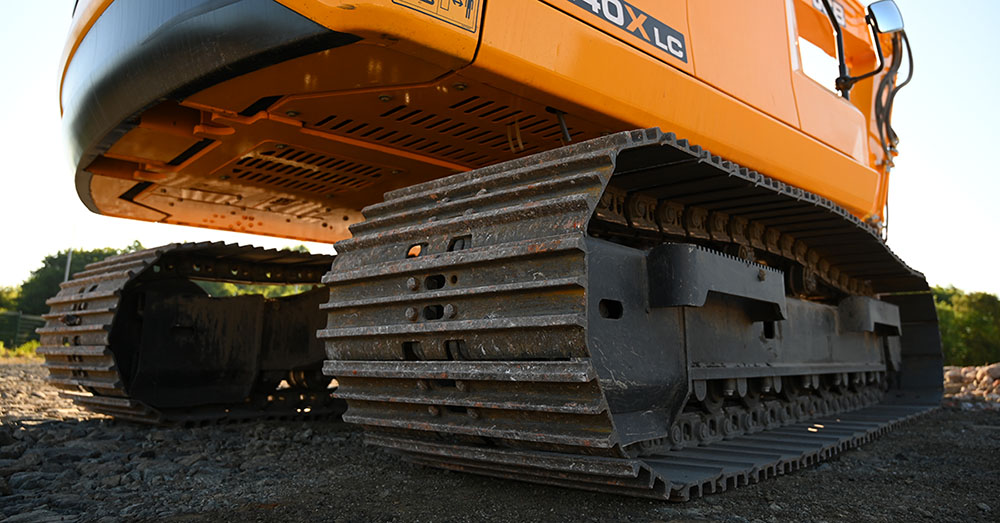
Best Practices for Undercarriage Care
• Daily cleaning: Remove packed mud, clay, rocks, and debris, especially after working in wet or frozen conditions. Built-up material can throw components out of alignment and increase stress.
• Visual inspections: Look for missing bolts, cracked frames, bent guards, leaking seals, or uneven wear patterns.
• Track alignment checks: Misalignment can cause premature wear on rollers, idlers, and track chains.
Ignoring undercarriage maintenance doesn’t just shorten component life, it also increases fuel consumption and reduces machine efficiency. A clean, well-maintained undercarriage helps your excavator move smoothly and predictably, reducing strain across the entire machine.
Order Excavator Parts Online 24/7
Visit the ConEquip Online Store
Search by part number or machine model for fast results.
2. Tracks: Proper Tension Makes All the Difference
Tracks are closely tied to undercarriage health, but they deserve their own spotlight. Incorrect track tension is one of the most common—and costly—maintenance mistakes made in the field.
Tracks that are too tight increase stress on bushings, pins, sprockets, and final drives. Tracks that are too loose can derail, slap against components, and wear unevenly. Either scenario leads to unnecessary downtime and expensive repairs.

What to Inspect Regularly
• Track shoe condition and fasteners
• Pins and bushings for wear or elongation
• Track chains for stretching
• Sprockets and idlers for hooked or sharp teeth
Track tension should always be set according to the manufacturer’s specifications and adjusted based on operating conditions. For example, muddy or rocky terrain may require different tension than dry, compact soil.
A quick adjustment during routine service can add hundreds—or even thousands—of hours to track component life.
Can’t Find Your Tracks Online?
Request a Quote from Our Experts
We have access to over 10 million parts not listed in our store.
3. Filters: Small Components, Big Consequences
Filters may be inexpensive compared to major components, but neglecting them can cause some of the most catastrophic failures an excavator can experience.
Modern excavators rely on clean air, fuel, oil, and hydraulic fluid to operate efficiently. When filters clog or degrade, contaminants move downstream—and that’s where the real damage begins.

Key Filters to Monitor
• Air filters: Protect the engine from dust and debris. Restricted airflow reduces power and increases fuel consumption.
• Fuel filters: Prevent dirt and water from reaching injectors and fuel pumps.
• Hydraulic filters: Protect pumps, valves, and motors from microscopic particles that cause internal wear.
• Engine oil filters: Remove contaminants that accelerate engine wear.
Most OEMs recommend following strict service intervals, but dusty or severe-duty environments may require more frequent replacements. Clean filters support smoother operation, better fuel efficiency, and longer component life.
Prefer to Speak with a Parts Specialist About Your Excavator Parts Needs?
Call 1-716-836-5069
Our team is standing by to help with complex orders and fitment questions.
4. Water Separators: The Hidden Threat in Your Fuel System
Water contamination in diesel fuel is more common than many operators realize. Temperature changes cause condensation to form inside fuel tanks, and water can also enter during refueling or storage. Left unchecked, water leads to corrosion inside fuel lines and tanks, injector damage, reduced combustion efficiency, and microbial growth (“diesel algae”).
Water separators are designed to trap and collect this moisture before it reaches sensitive components, but only if they’re maintained.
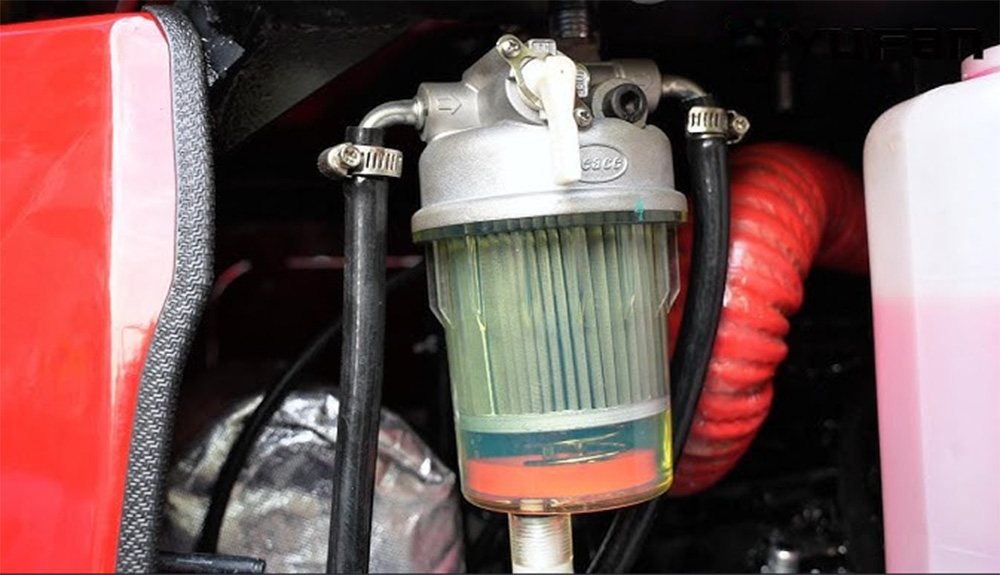
Maintenance Tips
• Drain water separators regularly, especially in humid or cold climates.
• Inspect seals and housings for leaks.
• Replace fuel filters on schedule.
This simple habit can prevent thousands of dollars in fuel system repairs and keep your excavator running reliably year-round.
Order Excavator Undercarriage Parts Anytime
Browse the ConEquip Online Store
Find parts fast, start with make, model or part number.
5. Cooling System: Don’t Let Heat Kill Your Machine
Excavators generate a tremendous amount of heat, especially during heavy digging, lifting, or operation in hot climates. The cooling system’s job is to manage that heat—and when it fails, the results can be catastrophic.
Overheating can warp cylinder heads, damage seals, degrade hydraulic oil, and trigger electronic shutdowns that halt production instantly.
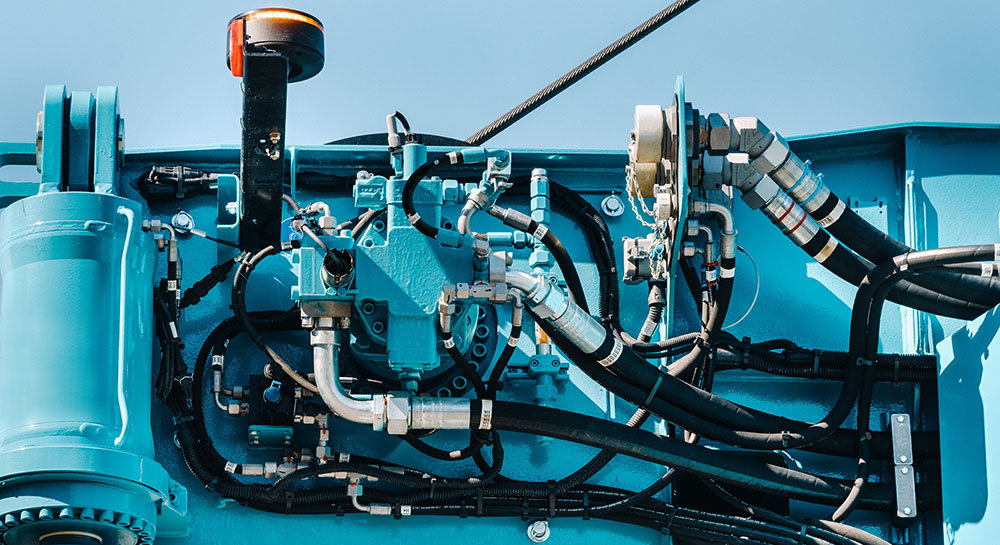
What to Check
• Coolant levels and condition
• Hoses for cracks, bulges, or leaks
• Radiators, oil coolers, and condensers for dirt and debris
• Cooling fans and belts for proper operation
Restricted airflow is one of the most common cooling issues. A radiator clogged with dust or chaff can’t dissipate heat effectively, even if coolant levels are correct. Regular cleaning with low-pressure air or water helps maintain proper airflow and temperature control.
Order What You Need for Your Machine Anytime
Browse the ConEquip Online Store
Find parts fast, start with make, model or part number.
6. Attachments: Productivity Depends on the Tool
Buckets, couplers, thumbs, breakers, and other attachments are often treated as accessories—but in reality, they’re critical productivity components. A worn or damaged attachment doesn’t just slow down work; it can create safety risks and transfer stress back into the excavator.

Inspection Checklist
• Cracks or deformation in buckets and frames
• Excessive wear on cutting edges, teeth, and side cutters
• Loose or damaged couplers and locking mechanisms
• Leaking hoses or fittings on hydraulic attachments
Routine inspections help catch problems early, when repairs are faster and less expensive. Keeping attachments in top shape ensures that your excavator performs as designed and maintains safe operation on the jobsite.

No Call Needed—Just Click and Buy
Order Heavy Equipment Parts Online
Simple checkout, live inventory, and 24/7 access to parts.
Excavator maintenance doesn’t have to be overwhelming. The key is consistency. Daily walkarounds, scheduled service intervals, and operator awareness go a long way toward preventing unexpected breakdowns.
By focusing on these six core areas—the undercarriage, tracks, filters, water separator, cooling system, and attachments—you’re protecting the most vulnerable and expensive parts of your machine. Over time, these habits translate into longer equipment life, lower repair costs, improved fuel efficiency, and fewer disruptions to your projects.
In an industry where uptime equals profit, remembering the basics isn’t old-fashioned—it’s smart business.


