
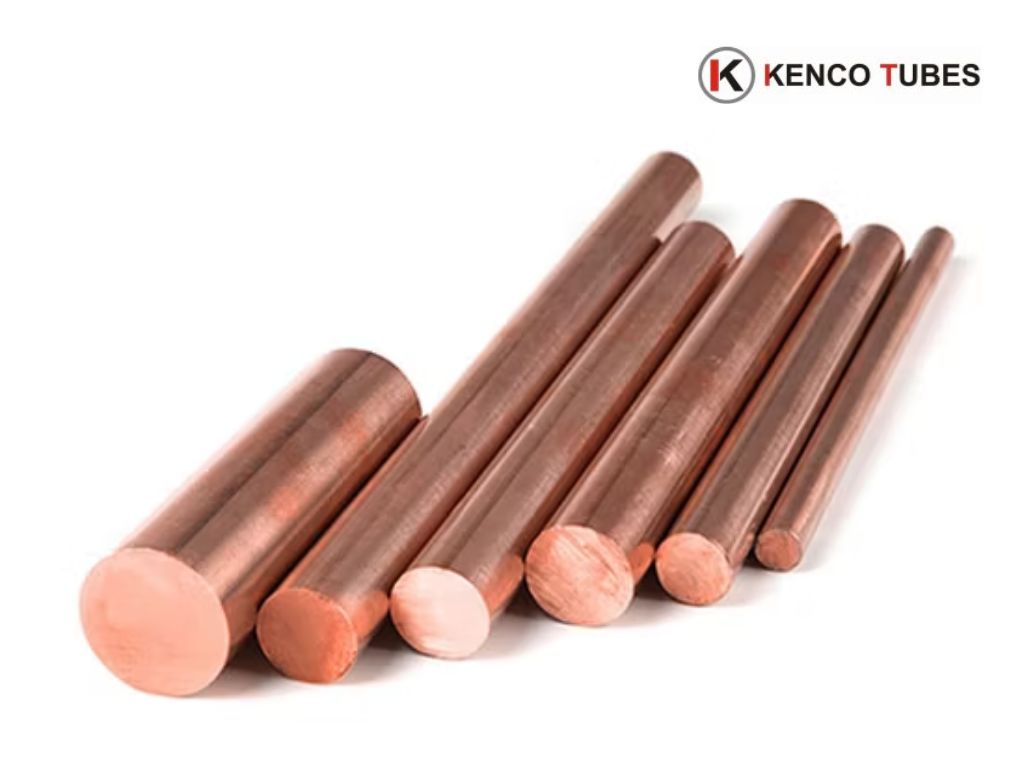
In modern industrial and electrical systems, copper bars are essential. High-purity copper is used to make these solid metal bars, which are known for their strength and reliability in electrical applications. One of the main reasons copper is used so extensively is because of its exceptional electrical conductivity, which ensures power flows easily and steadily. Copper bars resist corrosion and withstand heat effectively and last a long time. These features make copper bars useful in many electrical systems that require safe and stable power delivery. This blog discusses copper bars, their various types, and the qualities that make them useful in industry. It also discusses the most common applications of copper bars in electrical infrastructure, heavy machinery, renewable energy, and other industrial areas.
What Are Copper Bars?
Copper bars are solid metal pieces made from pure copper and shaped into long rectangular or square sections. As they are often used in electrical and mechanical systems where good electrical conductivity is required. Copper bars are available in several types, such as flat bars, square bars, and bus bars. Flat and square bars are mainly used for structural support and mechanical components. Bus bars are used to distribute power in electrical systems. Copper bars are manufactured according to industry standards such as ASTM and EN grades to ensure strength and purity. High copper content allows efficient current flow and stable performance under heavy loads. Because of their structure, copper bars are easy to machine, cut, and shape for different industrial uses. Their simple design, combined with reliable performance, makes them a common choice in power systems and industrial equipment.
Key Properties That Make Copper Bars Ideal for Industrial Use
Copper bars are ideal for electrical and industrial systems due to their various material qualities. Their performance stays consistent even under strong electrical loads and difficult working situations. The following properties explain why copper bars are often used in different industries.
- High Electrical Conductivity: One of the most important advantages of copper bars is the high electrical conductivity of copper. Electric current moves through copper with very little resistance. This allows efficient power transfer in electrical equipment and distribution systems. Lower resistance also reduces heat buildup and energy loss.
- Excellent Thermal Conductivity: Copper transfers heat quickly and evenly. This property helps control temperature in electrical systems and power equipment. When current flows through conductors, heat forms naturally. Copper bars help move this heat away from sensitive components and maintain stable operation.
- Strong Corrosion Resistance: Copper is naturally resistant to corrosion in various conditions. It works effectively in humid environments and with modest chemical exposure. This feature contributes to the long-term reliability of electrical performance. As a result, copper bars require less maintenance over their service life.
- Easy Fabrication and Machining: Copper bars are easy to cut, drill, bend, and shape. This makes installation and manufacturing processes simpler. Engineers can produce bus bars and connectors with accurate dimensions. Easy fabrication also reduces production time in electrical equipment manufacturing.
- High Durability and Strength: Copper bars offer strong mechanical stability along with electrical performance. They can withstand heavy electrical loads without losing shape or structure. Their durability allows long service life in industrial machinery and power systems. This reliability makes them a trusted material for many electrical applications.
Copper Bars serve many industries where a stable electrical flow is required. Their strong conductivity and durability make them useful in both power systems and industrial equipment.
- Power Distribution Systems: Copper bars are used as bus bars in switchboards and panel boards in power distribution systems. They safely carry large amounts of current between electrical components. As copper has low resistance, it allows efficient power transfer throughout the system. Its excellent electrical conductivity also reduces energy loss.
- Electrical Panels and Switchgear: Copper bars are used in electrical panels and switchgear to safely carry current. They link circuit breakers, switches, and control devices and help distribute electricity to many circuits in industrial buildings. Their reliable performance improves the safety and reliability of the electrical system.
- Transformers and Substations: Transformers and substations require materials that handle high voltage and current levels. Copper bars provide reliable internal electrical connections between key components. Their consistent conductivity facilitates smooth power flow in large power systems. The material’s thermal properties help with heat control as well.
- Earthing and Grounding Systems: Grounding systems protect electrical equipment and workers from unexpected failures. Copper bars are often used as grounding conductors in these systems. They create a safe path for fault current to enter the earth. This reduces the risk of electrical damage and increases overall system safety.
- Industrial Machinery and Equipment: Manufacturing plants use heavy machines that depend on stable electrical connections. Copper bars support motors, generators, and large electrical drives. Their strength and durability allow continuous operation in demanding industrial settings. Reliable power flow keeps machines working without frequent electrical issues.
- Renewable Energy Systems: Copper bars are also used in renewable energy systems to ensure effective power transfer. Copper bus bars are used to distribute electricity at solar power plants and wind energy systems. These bars link panels, inverters, and power storage devices. Copper’s strong electrical conductivity helps in the efficient transmission of generated power.
- Automotive and Transportation Industry: Modern transportation systems use advanced electrical networks. Copper bars appear in electric vehicles, battery systems, and charging stations. They help transfer power between batteries, motors, and control systems. Their reliability supports the growing demand for electric mobility and charging infrastructure.
- Construction and Infrastructure: Large buildings require complex electrical networks for lighting, safety systems, and power supply. Copper Bars support power distribution in commercial and residential structures. Electrical panels, backup systems, and energy networks often include copper bus bars for stable current flow.
- Telecommunications: Telecommunications systems require a consistent and stable power source. Copper bars contribute to this by providing strong grounding and reliable power distribution in communication towers and data centres. Copper bars are resistant to corrosion and last a long time in both indoor, and outdoor installations.
- Manufacturing Plants: Manufacturing units use high-powered machines that require a constant electrical supply. Copper bars help distribute electricity between heavy equipment and power control systems. Their strength and durability support continuous industrial operations without major energy losses.
Copper bars remain an important component in electrical and industrial systems. Copper’s high electrical conductivity, corrosion resistance, and extended service life make it suitable for power transmission and equipment connections. These bars serve a wide range of industries, such as power distribution, renewable energy, construction, transportation, and heavy manufacturing. Stable electrical flow is crucial for contemporary infrastructure, and copper bars contribute to that stability. Copper is still widely used in industries due to its efficiency and durability. For projects that require high-quality materials and a dependable supply, working with trusted copper bar suppliers helps ensure consistent performance and long-term reliability.


