

Winter isn’t just about snow. Freezing temperatures, ice, and fluctuating conditions can seriously stress heavy equipment. Fluids thicken, rubber and plastic components become brittle, batteries lose capacity, and exposed mechanical components are more vulnerable to wear, corrosion, and damage. Doing a comprehensive winter-prep at the right time helps you avoid breakdowns, costly repairs, delays, and even safety hazards, while extending the longevity and reliability of your fleet.
With that in mind, here are 15 essential winterization and maintenance tips — plus added advice — for heavy equipment.
Order Heavy Equipment Parts Online Before the Snow
Visit the ConEquip Online Store
Search by part number or machine model for fast results.

1. Do Regular Inspections Before and After Cold Snaps
Before cold weather arrives, and periodically throughout the winter, conduct thorough inspections:
- • Check all lights, mirrors, windshield wipers, windows and glass for damage. Visibility is crucial during short winter days or snowfall.
- • Confirm heater/defroster functionality so the cab stays comfortable and safe, and windows don’t fog up or ice over.
- • Top-off all fluid levels (oil, coolant, hydraulic fluid, windshield washer fluid, etc.) so fluids don’t run too low when needed.
- • Lubricate hinges, joints, pins, and moving parts. Winter’s cold and moisture can dry out grease or cause rust.
- • Check the machine’s body for cracks, dents, or unusual wear, especially around areas subject to stress, such as attachment points, axles, and undercarriage. Cold and ice can worsen existing damage.
- • Test brakes, steering and control systems, making sure everything functions smoothly before the machine is needed.
- • After heavy operations or snow exposure, inspect again and clean off snow, ice, dirt, salt, and debris. These can cause corrosion or mechanical issues.
Inspections can catch problems early, preventing small issues from becoming major failures.

2. Use the Right Fuel by Switching to Winter-Grade or Proper Diesel Blend
behavior changes drastically when temperatures drop; standard diesel (often “#2”) can gel or wax, which can clog fuel lines or filters and lead to engine failure.
- • Use a winter-grade diesel (or a regionally appropriate blend) that resists gelling or thickening. Many stations provide cold-weather blends in winter.
- • Keep your fuel tank topped up whenever possible. A fuller tank reduces air space, lowering condensation and reducing the risk of moisture buildup or freezing inside the tank or fuel lines.
- • Regularly inspect and drain water separators and fuel filters, especially before the first freeze. Water mixed with diesel can freeze and block fuel flow.
Taking care of your fuel system now helps avoid “no-start” mornings or in-field engine stalling.

3. Change Engine Oil & Filters Ahead of Winter
Oil viscosity changes with temperature. Thick, cold oil can strain engines, especially on startup. Using the right oil makes a big difference:
- • Switch to multi-grade or low-temperature rated engine oil that flows better in cold weather. Doing this before it gets very cold allows easier draining and replacement.
- • Replace filters — oil filters, fuel filters, air filters — to reduce the risk of contamination or clogging. Dirty filters can restrict flow just when your engine needs proper lubrication and clean air most.
- • If changing fuel type for winter, check and replace fuel filters accordingly. Also empty water traps before freezing weather.
Maintaining clean oil and filters reduces stress on your engine and improves cold-weather reliability.
Can’t Find Your Part Online?
Request a Quote from Our Experts
We have access to over 10 million parts not listed in our store.

4. Inspect Your Engine & Belts
Cold weather introduces new stresses to engine components. Regular inspections of your engine and belts help:
- • Inspect fan belts, V-pulley belts, and drive belts for proper tension, wear, cracks or dryness. Cold can make belts brittle or less flexible, increasing the risk of slipping or breaking
- • Ensure belts and pulleys are properly aligned. An over-tensioned or slack belt can slip off or increase wear, especially when running in cold conditions.
Proper belt maintenance and warm-up reduce engine strain and avoid unexpected breakdowns.
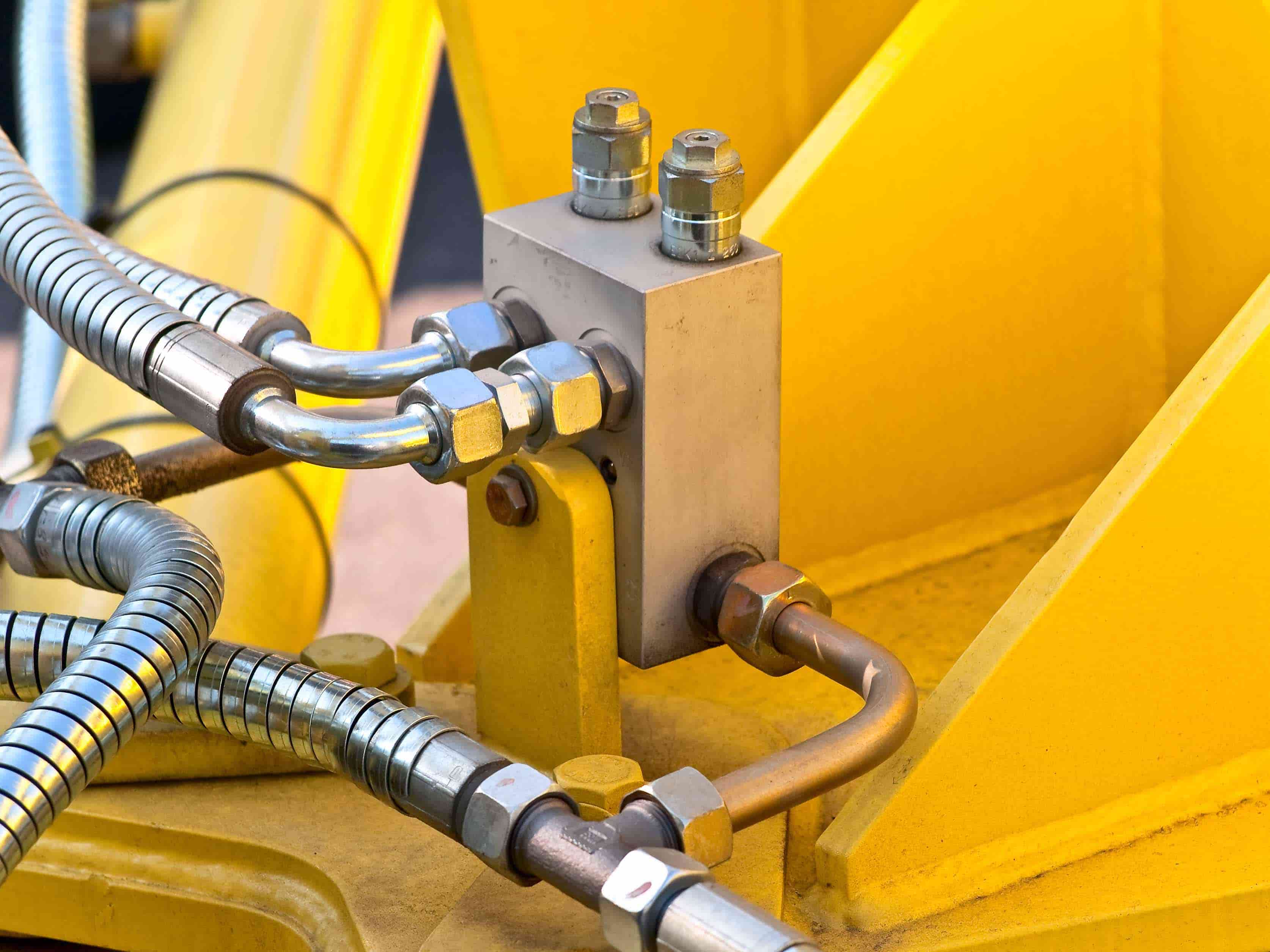
5. Use Suitable Fluids and Keep Hydraulic System & Hoses Healthy
Hydraulic systems are especially vulnerable in cold climates. Fluid thickens, hoses become brittle, seals shrink. All of which can cause leaks or failures.
- • Use hydraulic fluid rated for low temperatures to keep viscosity low enough for smooth operation.
- • Replenish hydraulic fluids and grease all cylinders, pumps, suction chambers, and filters. Make sure seals are healthy and not leaking.
- • Inspect all hoses for cracks, brittleness, swelling, or wear. Cold temperatures make rubber and synthetic hose materials more prone to damage. Hoses that are too soft or have swollen wrappers can fail under pressure.
- • If the equipment has been inactive,warm the engine and fluids before manipulating hydraulic components to avoid sudden stress.
These steps help avoid hydraulic failures, which can be some of the costliest to fix in cold weather.

6. Prepare for Freezing Temperatures in Your Cooling System & Coolant
Engines need proper coolant to avoid freezing, corrosion, and overheating. Winter prep for cooling systems is critical:
- • Use a coolant mixture rated for sub-zero temperatures. In many cases a 50/50 mix of antifreeze and water is advised for areas expecting very low temps.
- • Make sure coolant levels are properly topped. Many recommend the coolant be about “an inch above the radiator core” for adequate protection.
- • Inspect coolant for impurities, bubbles, or signs of contamination (which can lead to corrosion or freezing).
- • Ensure the coolant formulation you use matches the expected low-end temperatures for your area. Under-spec coolant can freeze or fail under very cold conditions.
Proper coolant maintenance reduces the risk of frozen engines, cracked blocks, or overheating.
Prefer to Speak with a Parts Specialist?
Call 1-716-836-5069
Our team is standing by to help with complex orders and fitment questions.

7. Ensure Your Battery is Protected and Working Properly
Batteries are among the most vulnerable components when temperatures drop. Batteries lose a significant portion of their cranking capacity as temperatures fall below freezing. At these temperatures they may lose 50–65% of their effective performance. Taking care of them ahead of winter is often the difference between a quick start and a frustrating “no-start” morning.
- • Keep batteries fully charged before cold spells, and recharge anytime capacity drops. Many fleet leaders and repair technicians recommend recharging if they fall below ~75% capacity.
- • Store spare or removed batteries indoors at room temperature, if equipment is off for extended periods. Cold storage drastically reduces battery health.
- • Clean battery terminals and cables, removing dirt, corrosion, and debris. Dirty contacts can reduce performance even further.
- • If storing a battery long-term (e.g. winter idle), consider removing ground cables and checking the battery every 4‒6 weeks to prevent sulfation or failure.
Good battery management ensures reliable cold-weather starts, often when you need the machine most.
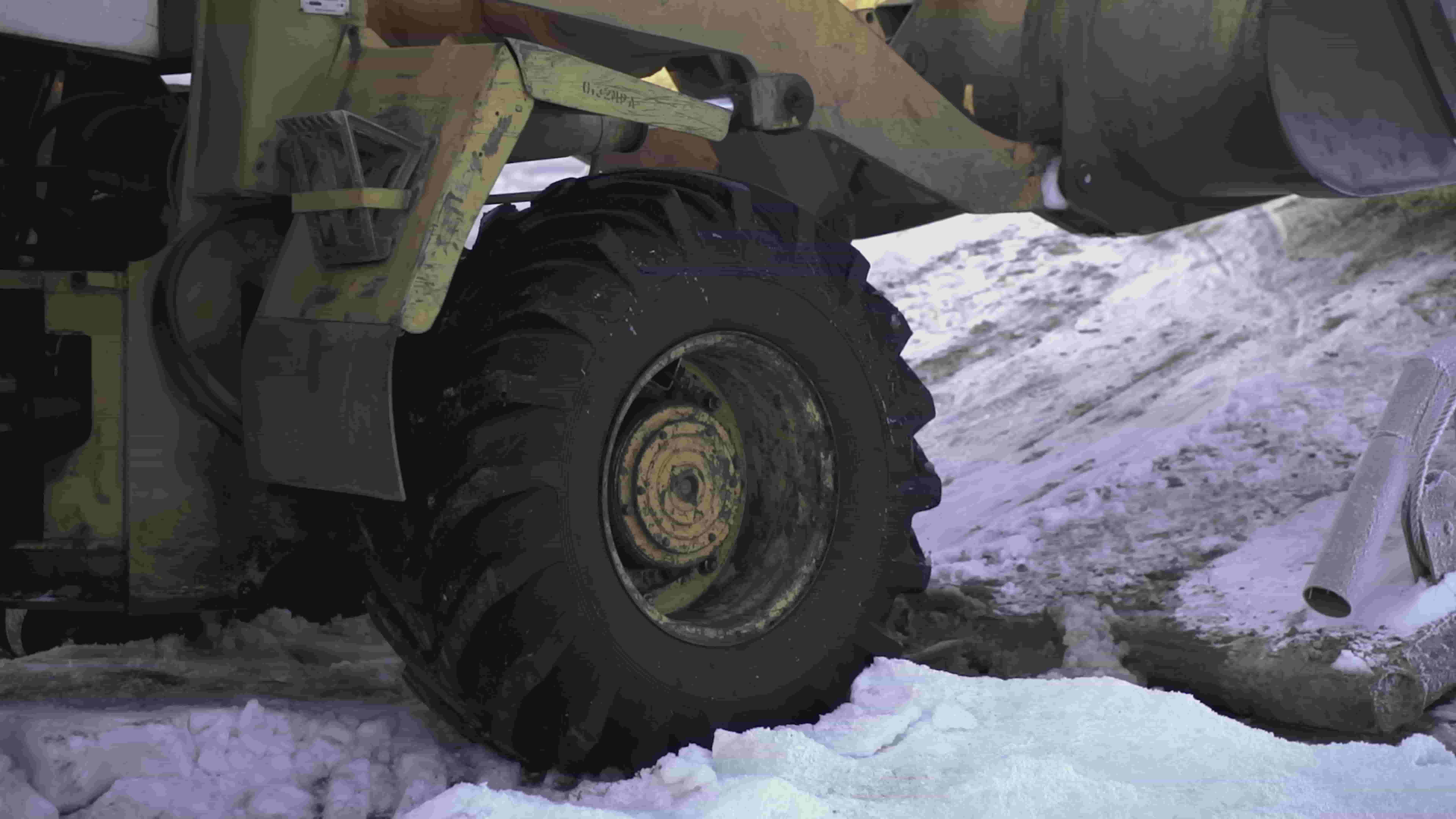
8. Watch for Pressure and Wear in Your Tires & Undercarriage
Cold temperatures, ice, snow, and freezing water can wreak havoc on tires, tracks, and undercarriage components.
- • Tire pressure drops as temperature falls. Check and inflate tires in warmer conditions if possible. Lower pressure can reduce bead seal quality, increasing the chance of leaks.
- • If feasible, consider filling tires with nitrogen. Nitrogen is less susceptible to pressure changes and moisture-related issues, helping reduce ice crystal formation.
- • For tracked machines, inspect rubber or steel tracks, rollers, idlers, and sprockets. Ensure they have adequate tension, no excessive wear, and good traction for snow or ice conditions.
- • Clear mud, dirt, ice, salt, and debris from undercarriage components. Build-up can freeze, crack, or accelerate rust and wear.
- • If undercarriage components show wear, consider servicing or replacing before winter. Snow and ice can exacerbate defects and lead to failure.
Proper tire and undercarriage care helps maintain traction, stability, and safety on snowy or icy ground.

9. Properly Store Your Machines Indoor or Covered When Not in Use
When heavy equipment won’t be used daily, storage conditions matter a lot:
- • Store machines — and any detachable parts — in an enclosed, dry facility if possible. This reduces exposure to snow, ice, moisture, salt, and freezing temperatures.
- • Keep fluids (fuel, coolant, hydraulic fluid) stored indoors or in insulated containers, to avoid freeze-thaw cycles that could damage seals or cause condensation.
- • Detachable parts (like blades, buckets, couplers, hoses, grease fittings) should be stored separately. This helps prevent rust at joints, preserves hinges, and ensures parts are ready to mount when needed again.
- • If indoor storage isn’t available, consider protective covers, tarps, or insulated shelters, but be sure that ventilation prevents moisture condensation.
Good storage significantly reduces winter-related wear and prolongs equipment life.
Order Heavy Equipment Parts Anytime
Browse the ConEquip Online Store
Find parts fast, start with make, model or part number.
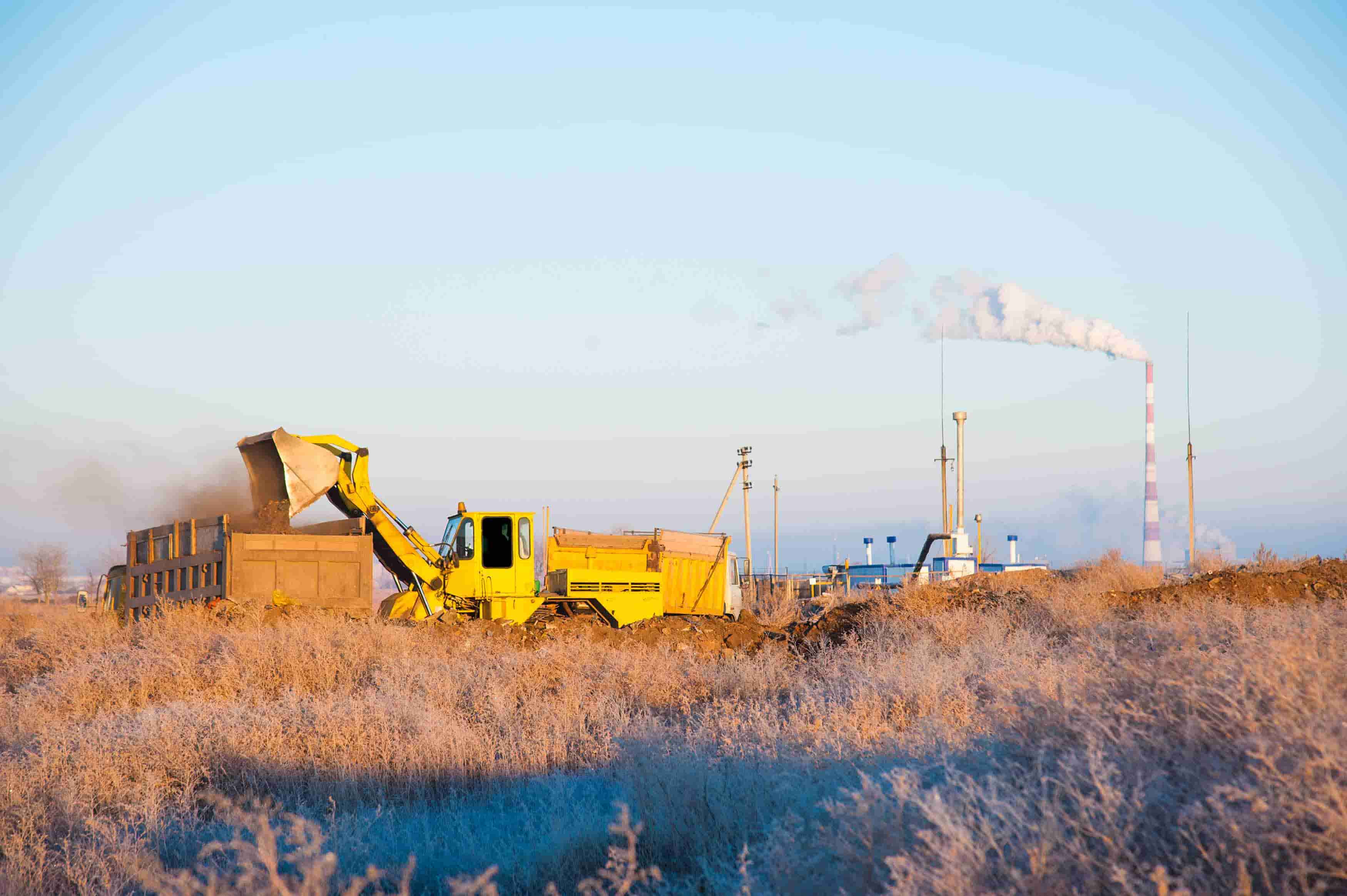
10. Use Block Heaters or Engine Pre-heating Aids
One of the most effective ways to ensure reliable cold-weather starts and reduce engine stress is to use a block heater or engine-preheat system:
- • A block heater warms the engine block and fluids before start, thus reducing cold-start strain, which helps fluids flow properly, and eases hydraulic startup under cold conditions.
- • For even better results, block off the radiator fan or airflow when warming. This should retain heat longer and brings the engine up to operating temperature more efficiently.
- • Combine this with a gradual warm-up procedure. Idle the engine, let coolant and hydraulic fluids warm, then slowly operate hydraulic circuits before full-load operation. This helps avoid fluid shock, poor circulation, or sudden stress on seals and gaskets.
Pre-heating devices are often among the best winter “investments” for heavy equipment reliability.

11. Use Starter Fluid With Caution
While cold-weather starter fluid can sometimes help engines fire up in extremely low temperatures, it should be used judiciously:
- • Starter fluid is flammable and can be hazardous — store it safely (not in the operator cab) and follow all safety protocols.
- • Use it only when absolutely necessary. Relying routinely on starter fluid may mask underlying issues (like fuel, battery, or glow-plug problems).
- • If you find you often need starter fluid to start in the cold, consider improving other winterization measures (fuel blend, battery health, block heater, glow plugs, maintenance) instead of depending on it.
Used properly — and sparingly — starter fluid can help when nothing else works, but it should not be a regular crutch.

12. Store and Handle DEF (Diesel Exhaust Fluid) Properly
If your machines use diesel exhaust fluid (DEF), winter can create extra complications:
- • DEF tends to freeze below around 12 °F (–11 °C), so continuous exposure at low temps can cause thickening or ice formation.
- • Even if labeled “winter-grade,” freezing can still occur. So store DEF indoors or in a climate-controlled environment when possible.
- • If DEF does freeze, thaw it carefully and never let it rapidly warm or “explode” in its container. Rapid expansion can rupture containers or damage storage.
Proper DEF management avoids system failures, exhaust issues, or expensive DEF system repairs in deep winter.
Unsure What Part You Need?
Call 1-716-836-5069
Our team is standing by to help with complex orders and fitment questions.

13. Clean Your Equipment — Remove Snow, Ice, Salt, Mud & Debris
Winter isn’t just cold — often it’s damp, salty (from road/ground de-icing), slushy, and messy. Leaving dirt, salt, ice, or mud on machines invites corrosion, rust, and component damage.
- • After using equipment, wash off snow, ice, salt, and slush, especially from undercarriage, tracks, hydraulic attachments, axles, and metal joints. Salt is especially corrosive and accelerates rust.
- • Remove mud and debris from tracks, tires, and suspension/undercarriage. Mud freezes, expands, and can crack or stress structural components.
- • Clean and dry rubber parts, hoses, and seals. Ice or salt buildup can degrade rubber or accelerate cracking.
A clean machine isn’t just more reliable — it’s easier to inspect, maintain, and spot problems before they lead to failure.

14. Train Operators & Implement a Winter Maintenance Schedule
Even with all these steps, the human factor matters. Having a consistent winter maintenance plan and ensuring operators know what to check can prevent many issues.
- • Provide operators training or a written checklist covering daily/weekly winter inspection items (fluids, battery, hoses, tires, undercarriage, heaters, lights).
- • Encourage regular, pre-shift checks before operating in cold weather.E Daily diligence can catch developing issues early.
- • If equipment will be idle or used sporadically, schedule periodic checks (every few weeks) on fluid levels, battery health, coolant, hydraulic fluid, and general condition.
- • Document maintenance actions: what was done, when, what parts were replaced etc. Having records helps track recurring issues and plan major maintenance or upgrades before they become liabilities.
A disciplined winter maintenance schedule reduces surprises, extends equipment lifespan, and helps avoid costly mid-winter service calls.

15. Adjust How You Use the Machine in Winter Weather
Even with full winterization, how you use heavy equipment during cold weather matters:
- • Warm up gradually before heavy work. Give the engine and hydraulics time to reach proper operating temperature. Cold fluids or cold metal increase wear and risk of failure.
- • Be mindful of traction, ground conditions, and stability. Snow, ice or frozen ground can affect how loads settle, how attachments dig or lift, and how tires/tracks grip. Inspect the ground and plan movements accordingly. This is especially important for attachments like loaders, excavators, or plows.
- • Minimize unnecessary strain. Avoid full-load starts or high RPMs until the machine is fully warmed up and systems are operating smoothly.
- • If possible, schedule heavy tasks during warmer parts of the day (mid-afternoon) rather than the coldest hours. Temperature swings during the day can help dissipate stress on components and make the job easier on the machine.
Smart operation — combined with good winter prep — dramatically reduces breakdowns and prolongs life for heavy equipment.

Extra Tips and Considerations
Here are a few additional practices — not always included in standard checklists — but worth thinking about:
- • Keep spare parts & supplies on hand: Have extra hoses, belts, seals, fuel filters, and spare batteries ready in case something fails during the winter. Rubber and plastic parts are especially vulnerable in cold climates.
- • Use insulated covers or thermal blankets for engines or hydraulic components if the equipment sits outside. This is especially helpful when block heaters or indoor storage aren’t available. This helps moderate temperature swings and prevent components from getting too cold overnight.
- • Monitor and track performance and failures over winter to learn what tends to break or fail. This helps refine your winterization plan for future seasons. For example: are batteries failing often? Are hydraulic hoses cracking? Do undercarriage parts wear faster? Use that data to upgrade or reinforce those components ahead of time.
- • Stay aware of safety issues: Shorter daylight hours, poor visibility, ice, snow, and slippery surfaces all raise the stakes. Ensure all lights and safety systems are working; keep walkways, access steps, and platforms free of ice; require proper operator PPE and training in cold-weather operation.
Winter can be brutal on heavy equipment, but with careful, comprehensive preparation, you can greatly reduce downtime, keep machines running reliably, and protect your investment.

No Call Needed—Just Click and Buy
Order Your Heavy Equipment Parts Online
Simple checkout, live inventory, and 24/7 access to parts. Order And Be Ready For Winter!


